Blog
2026 How to Choose Manual Handling Equipment?
Choosing manual handling equipment in 2026 requires more than comparing prices and advertised load capacities. The right choice should match the task, workplace, operator, and environment. A warehouse trolley may perform well on smooth concrete but struggle across uneven thresholds. A pallet truck may move heavy goods efficiently, yet poor handle height can increase strain during repeated use.
Small details matter. Before selecting equipment, examine the load’s weight, shape, centre of gravity, and lifting frequency. Measure aisle widths, turning spaces, floor conditions, ramps, and storage heights. Consider whether workers wear gloves, work in cold rooms, or handle goods with limited visibility. These practical observations often reveal risks that product brochures overlook.
Reliable decisions should combine hands-on experience with manufacturer guidance, documented inspection procedures, and recognized workplace safety principles. Equipment should include suitable brakes, stable wheels, comfortable controls, and clearly stated capacity limits. Training also matters, because even well-designed equipment can be misused or overloaded. Ask workers what feels awkward. They often notice problems first.
No checklist is perfect. A product that looks efficient during a short trial may become tiring after several hours. Therefore, test equipment with realistic loads and actual routes before purchasing in volume. Record faults, maintenance needs, and user feedback. This guide explains how to compare options carefully, avoid common selection mistakes, and build a safer, more practical manual handling equipment strategy for changing workplace demands.
Define the Tasks and Loads the Equipment Must Handle
Before choosing manual handling equipment, define the task in measurable terms. Record the load’s weight, dimensions, centre of gravity, grip quality, and lifting frequency. Note the starting and finishing heights. Include turning, carrying distance, floor condition, and available space. A 20-kilogram box may be manageable at waist height, but difficult from the floor or above shoulder level. HSE’s Work-related Musculoskeletal Disorders statistics for Great Britain 2023/24 reported 543,000 affected workers and 7.8 million lost working days. These figures show why “it is not very heavy” is an incomplete assessment.
Match equipment capacity to real operating conditions, not only the maximum rated load. A trolley may need larger wheels for thresholds, better brakes on slopes, or adjustable handles for different operators. Test the equipment with the heaviest realistic load, including awkward shapes. The Liberty Mutual Workplace Safety Index 2024 identified overexertion among the costliest workplace injury causes in the United States, based on 2022 data. Cost matters, but control effort matters more. I sometimes see selection decisions based on weight alone. That is a weak shortcut.
Tips: Measure the full route before ordering. Photograph tight corners and uneven surfaces. Check pushing force with a calibrated gauge where possible. Ask operators to trial the equipment, then record discomfort, visibility, and control issues. Reassess seasonal loads and changing workflows. Small details matter. Sources: UK HSE, Work-related Musculoskeletal Disorders Statistics in Great Britain, 2023/24; Liberty Mutual Workplace Safety Index, 2024.
2026 How to Choose Manual Handling Equipment?
Define the Tasks and Loads the Equipment Must Handle
The chart compares representative task loads with typical rated capacities for commonly used manual handling equipment. Select equipment with a rated capacity above the intended load, then confirm load dimensions, center of gravity, travel surface, lifting height, and workplace safety requirements before use.
Compare Manual Handling Equipment Types and Their Best Uses
Manual handling equipment should match the load, route, and working space. A two-wheel hand truck suits boxed goods moving over short, level distances. Its narrow frame turns easily through doorways, but unstable loads may shift without proper securing.
Platform carts Platform carts carry wider or heavier items across smooth floors. They work well for cartons, tools, and stacked containers. However, their larger turning radius can create problems in crowded aisles.
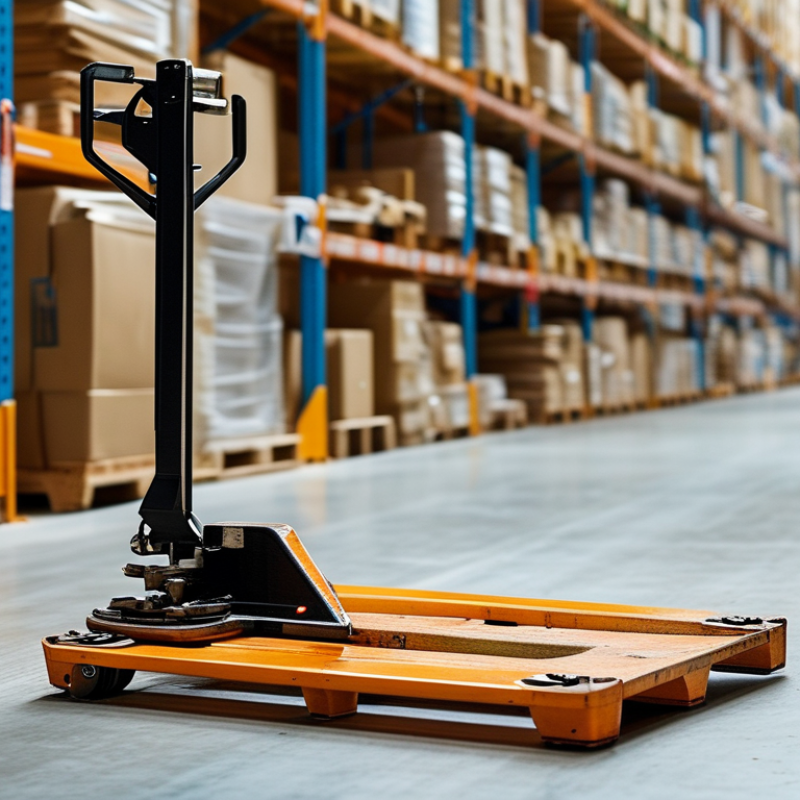
Pallet trucks and manual stackers Pallet trucks are practical for moving palletized loads over short warehouse routes. They need firm, even flooring and enough clearance for the forks. A manual stacker adds lifting height, making it useful for low-level storage or occasional loading tasks. It is slower than powered equipment, but offers simple control and lower operating complexity.
Dollies and furniture skates help move compact machinery or unusually shaped objects. They are less suitable on thresholds, ramps, or damaged floors.
Lift tables reduce repeated bending when workers transfer items between heights.
Select one with a suitable load rating, stable platform, and safe working height. During site assessments, measure aisle width, doorway height, floor gaps, and average load weight.
Small details matter. A cart that works well on paper may fail beside a sharp corner. I would also test the equipment with a realistic load, not an empty unit. That check often reveals poor balance, awkward handles, or excessive pushing force.
Training, inspection records, and clear maintenance routines support safer daily use.
Check Capacity, Ergonomics, Safety, and Workplace Compatibility
2026 How to Choose Manual Handling Equipment?
Capacity should match the real load, not an optimistic estimate. Check the rated capacity, load shape, weight distribution, and lifting frequency.
A trolley may carry 300 kilograms on paper, yet perform poorly with uneven boxes or sloped floors. Keep a sensible margin below the maximum rating. Inspect wheels, frames, brakes, and handles before regular use. Small defects can become serious handling problems.
A common mistake is choosing equipment by capacity alone.
Ergonomics affects daily effort and long-term comfort. Handles should suit the operator’s height and allow a neutral wrist position. Push rather than pull when the route permits.
Larger wheels usually move more smoothly across thresholds and rough surfaces. Safety also depends on visibility, stable loads, secure locking, and controlled movement. Consider aisle width, door clearance, floor condition, lighting, noise, and storage space.
Real workplaces are rarely perfect. A trial in the actual work area may reveal problems that product specifications miss.
Tips:
Measure the narrowest route first.
Test the equipment with a typical load.
Ask operators where strain occurs.
Recheck capacity when loads change.
Do not ignore awkward corners.
Record inspections and remove damaged equipment from service.
Evaluate Materials, Mobility, Maintenance, and Operating Conditions
2026 How to Choose Manual Handling Equipment?
Selecting manual handling equipment should begin with the load, not the catalogue. HSE estimated 543,000 UK workers had work-related musculoskeletal disorders in 2023/24, causing 7.1 million lost working days. That figure makes material choice a safety decision. Steel suits harsh, high-load areas, while aluminium reduces lifting effort and resists corrosion. Polymer components can protect delicate surfaces, but they may wear faster under heat or abrasion. Check load shape, centre of gravity, floor condition, and cleaning chemicals before choosing.
Mobility must match the route. Large wheels handle thresholds and uneven floors better, but they need more space to turn. Swivel casters improve control in narrow aisles. Brakes should hold securely on slopes, yet remain easy to operate with gloves. Liberty Mutual’s 2024 Workplace Safety Index reported overexertion losses of about $12.8 billion in the United States, based on 2021 data. Small handling difficulties can become expensive patterns.
Operating conditions decide whether equipment remains useful. Measure aisle width, temperature, humidity, gradients, and daily travel distance. Maintenance access matters too. Choose replaceable wheels, visible fasteners, and inspection points that do not require unusual tools. Keep it simple. A sophisticated unit can fail operationally when workers avoid its controls. Daily checks should cover brakes, welds, handles, wheels, and rated capacity. One weakness remains: real use often differs from planned use, so trial the equipment with typical loads before final approval.
Select Suppliers, Verify Compliance, and Plan Equipment Training
Choosing manual handling equipment in 2026 starts with the supplier, not the catalogue. Request technical specifications, load ratings, maintenance guidance, and traceable test records. A dependable supplier answers specific questions without hiding behind sales language. Ask how components are inspected before dispatch. Check replacement-part availability and response times. Delayed repairs can turn a small defect into a daily hazard. Do not treat attractive prices as proof of value. A cheaper trolley may perform poorly on uneven floors. That detail matters.
Verify compliance against applicable workplace safety rules and recognized technical standards in your region. Require declarations, inspection certificates, and clear operating limits. Match each document to the exact model and configuration. Generic paperwork is a warning sign. Check brakes, handles, guards, stability, and rated capacity during a practical inspection. Photograph serial numbers and store records where supervisors can find them. This is often missed. A document folder alone does not prove safe use. Ask a competent person to review uncertain points. Requirements can change, and interpretations are not always consistent.
Plan training before the equipment arrives. Demonstrate pushing, pulling, loading, parking, and reporting faults. Use a real route with ramps, door thresholds, and crowded corners. Keep groups small enough for every worker to practise. Supervisors should observe technique, not merely collect signatures. One uncomfortable lesson is that correct training may still be ignored. Gather worker feedback after the first week. Adjust the setup when repeated strain, awkward reaching, or near misses appear. Perfect planning is unlikely. Regular reflection is essential.
| Equipment Category | Typical Application | Key Selection Data | Typical Rated Capacity | Supplier Evidence to Request | Compliance Checks Before Purchase | Minimum User Training Plan | Inspection and Maintenance Planning | Selection Priority |
|---|---|---|---|---|---|---|---|---|
| Platform Trolley | Moving cartons, tools, containers, and other stable loads across level indoor floors. | Platform dimensions, wheel material, turning radius, handle height, braking system, floor condition, and maximum load distribution. | Approximately 150–500 kg, depending on frame construction and wheel configuration. | Load-test information, dimensional drawing, operating instructions, wheel specifications, spare-parts availability, and warranty terms. | Confirm the rated load is clearly marked and that the load remains stable within the platform boundaries. Check handle strength, wheel guards, braking action, and pinch-point risks. | Load-centering, pushing rather than pulling where practicable, route assessment, safe turning, parking, and reporting damaged wheels or handles. | User pre-use check; formal condition inspection at a risk-based interval; lubricate or replace wheels and fasteners according to manufacturer instructions. | Standard |
| Two-Wheel Sack Truck | Moving boxes, cylinders, sacks, and upright loads through doorways, aisles, and short travel routes. | Nose plate size, load centre, frame height, wheel diameter, stair-climbing requirements, handle comfort, and load restraint options. | Approximately 90–300 kg, subject to load centre, terrain, and wheel design. | Rated capacity test method, centre-of-load guidance, wheel and axle specifications, instructions for uneven surfaces, and replacement-part details. | Verify that the capacity applies to the intended load position. Check frame welds, axle security, wheel condition, hand clearances, and stability on slopes. | Correct loading and securing, posture and route planning, controlled movement on slopes, use of assistance for heavy or unstable loads, and safe parking. | Inspect frame, nose plate, wheels, axle, grips, and restraints before use. Remove from service if cracks, bent components, or excessive wheel play are found. | High |
| Manual Pallet Truck | Moving palletised loads over short distances on smooth, firm warehouse or production floors. | Fork length and width, lowered fork height, steering angle, turning radius, pallet entry clearance, floor gradients, and load distribution. | Commonly 2,000–2,500 kg for standard industrial models; the actual rating must be confirmed on the equipment plate. | Rated-capacity plate, operating manual, declaration or certification documents where applicable, service instructions, and information on compatible pallets. | Check the capacity plate, hydraulic leakage, steering control, lowering function, fork condition, and suitability for the floor and gradient. Apply local workplace-equipment rules. | Pre-use inspection, steering and pumping technique, keeping feet clear, travel-speed control, load visibility, slope precautions, and pedestrian segregation. | Pre-use check by the operator; planned inspections based on use and risk; hydraulic, wheel, fork, and handle-system maintenance by competent personnel. | High |
| Scissor Lift Table | Raising pallets, bins, components, or workpieces to reduce repeated bending and awkward reaching. | Safe working load, minimum and maximum height, platform size, lift cycle frequency, mobility requirements, wheel locks, and guarding. | Approximately 150–1,000 kg for common manual or powered workplace models. | Load-capacity and stability test information, risk assessment, operating manual, maintenance schedule, emergency-lowering procedure, and guarding details. | Verify conformity with applicable machinery and workplace-equipment requirements. Check toe guards, mechanical locks, accessible controls, stability, and rated-load markings. | Safe loading, keeping hands and feet away from the scissor mechanism, use of locking devices, emergency lowering, exclusion zones, and fault reporting. | Inspect structure, platform, wheels, locks, hydraulic or electric systems, and guards. Use a documented periodic inspection suitable for lifting frequency and conditions. | High |
| Mobile Hoist | Transferring people or loads where a controlled lift is required and floor access permits mobile equipment. | Safe working load, lift range, boom reach, sling compatibility, base width, turning space, brake design, battery capacity, and emergency lowering. | Load capacity varies widely; commonly 100–250 kg for patient-transfer hoists and higher for industrial lifting designs. | Capacity chart, inspection and test certificates where required, sling compatibility data, operating instructions, maintenance records, and training requirements. | Confirm that the hoist and accessories are suitable for the intended load. Verify rated markings, overload protection, emergency controls, brakes, attachment points, and applicable lifting-equipment regulations. | Competent-user training, pre-use checks, sling selection, load control, communication, emergency lowering, battery charging, and prohibition of unauthorised modifications. | Pre-use inspection plus documented thorough examination at intervals required by local law, risk assessment, and equipment type. Keep lifting-accessory records. | Critical |
| Conveyor or Roller Transfer Unit | Reducing repeated carrying by transferring cartons, totes, or components along a fixed or modular route. | Load dimensions, mass, throughput, roller spacing, conveyor height, incline, guarding, emergency stops, and integration with existing workstations. | Often 25–500 kg per metre or item, depending on design, spacing, and support structure. | Layout drawing, load and speed calculations, guarding design, emergency-stop information, installation requirements, and maintenance instructions. | Assess nip, shear, entanglement, access, noise, stability, and emergency-stop risks. Verify guarding and control arrangements before commissioning. | Safe loading and unloading, keeping hands and clothing clear, emergency-stop use, jam-clearing procedure, isolation requirements, and pedestrian awareness. | Check rollers, bearings, guards, supports, controls, emergency stops, and alignment. Use lockout or isolation procedures before clearing jams or servicing. | Medium |
| Vacuum or Mechanical Lifting Aid | Handling repetitive, smooth, sheet-like, porous, or awkward loads with reduced manual force. | Load mass, surface condition, centre of gravity, attachment type, lift frequency, battery or air supply, failure protection, and operating height. | Commonly 20–250 kg, with capacity strongly dependent on attachment, surface, and environmental conditions. | Rated-capacity data for each attachment, vacuum or gripping limits, failure-warning information, test records, operating instructions, and maintenance requirements. | Verify that the lifting aid is suitable for the load surface and environment. Check alarms, backup or retention systems, attachment integrity, capacity markings, and applicable lifting rules. | Attachment inspection, safe positioning, load-balance assessment, alarm response, battery or air-system checks, exclusion-zone control, and emergency lowering or release. | Pre-use attachment and system checks; periodic functional testing; replacement of seals, pads, cables, or batteries according to condition and manufacturer guidance. | High |
| Ergonomic Workstation Lift or Height-Adjustable Bench | Positioning components or tools to reduce bending, reaching, and sustained awkward postures during repetitive work. | Working height range, adjustment speed, safe working load, platform depth, control location, pinch-point protection, and task reach distance. | Approximately 100–500 kg, depending on the lifting mechanism and platform design. | Load and stability data, adjustment-cycle rating, installation instructions, control-system information, maintenance schedule, and user guidance. | Check stability, anti-trap protection, structural integrity, electrical safety where powered, accessible controls, and compatibility with the work process. | Correct height adjustment, load placement, avoiding overreaching, pinch-point awareness, use of locking features, and reporting abnormal movement or noise. | Inspect controls, lifting mechanism, fasteners, guards, and frame. Record planned maintenance according to adjustment frequency and operating environment. | Medium |

Related Posts
-
How to Choose Handling Equipment for Efficient Global Sourcing?
-
10 Essential Tips for Handling Equipment Safely and Efficiently
-
Top 10 Material Lift Options for Global Buyers to Consider?
-
Top Material Lifting Equipment from China for Global Buyers?
-
Top Manual Handling Equipment For Safe Workplace Solutions?
-
Best Hoist Lift Solutions for Efficient Material Handling?