10 Best Polyester Nonwoven Fabric Suppliers Worldwide
Polyester Nonwoven fabric supports a wide range of products, from filtration media and hygiene components to automotive interiors and protective packaging. Its strength, low weight, and adaptability make it useful across demanding applications. Yet “nonwoven” covers many constructions, and materials with similar names may perform very differently. Fiber denier, bonding method, basis weight, thickness, and surface treatment all affect how a fabric behaves in production.
Choosing a supplier is therefore more than comparing prices. Buyers should check whether a manufacturer can meet the required specifications consistently, provide clear technical data, and explain its quality-control process. Ask for representative samples and test them under conditions close to actual use. Review production capacity, minimum order quantities, lead times, and the scope and validity of any claimed certifications. Details matter. A polished catalogue alone is not evidence of reliable performance.
This guide to 10 Best Polyester Nonwoven Fabric Suppliers Worldwide offers a starting point for comparing potential partners across regions and applications. The companies should be assessed against your own requirements, since a strong supplier for filtration may not suit a furniture or packaging project. Public information can also change, and supplier claims deserve independent verification. A shortlist helps. It does not remove the need for careful testing, direct questions, and a little healthy skepticism.
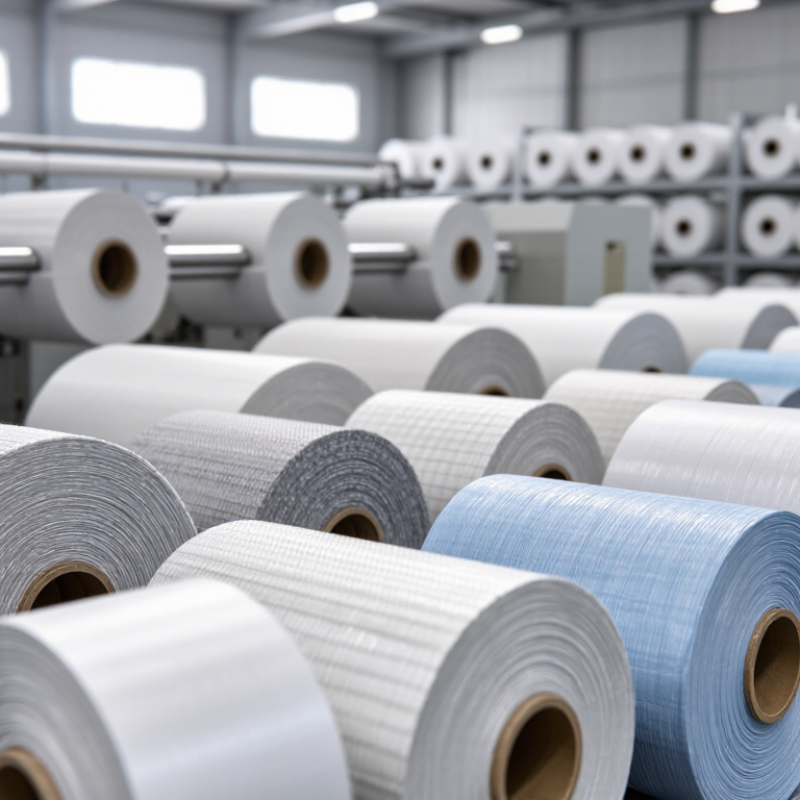
Understanding Polyester Nonwoven Fabric and Its Uses
Polyester nonwoven fabric is made by arranging polyester fibers into a web, then bonding them with heat, pressure, or suitable binders. Unlike woven cloth, it has no regular over-and-under yarn pattern. The result can be light, porous, and easy to cut. Fiber size, web structure, and bonding method affect its strength, softness, and airflow. Small differences matter.
These fabrics are used in filtration layers, hygiene products, furniture backing, automotive interiors, protective covers, and geotextiles. A filter layer may need fine pores and steady airflow; a backing layer may need toughness and dimensional stability. Polyester often handles moisture better than many natural fibers, but it is not automatically waterproof. Heat, chemical contact, and repeated flexing can shorten its service life. Performance depends on construction and testing, not the fiber name alone.
Tips: Ask for basis weight, thickness, tensile strength, air permeability, and the recommended temperature range. Request a sample and test it in realistic conditions, such as bending it around a seam or exposing it to expected humidity. Specs don’t tell everything. A sample may still differ from production rolls.
Key Criteria for Evaluating Global Suppliers
Global supplier selection should begin with measurable fabric performance, not a polished catalogue. Textile Exchange’s Materials Market Report 2024 estimates that global fibre production reached 124 million tonnes in 2023, with polyester making up about 57%. That scale makes traceability important: ask suppliers to identify fibre origin, recycled content, and the evidence behind each claim. Then match fabric weight, thickness, tensile strength, elongation, and air permeability to the product’s actual use. Request recent test results and compare samples using the same methods. Small differences matter.
Smithers’ The Future of Nonwovens to 2028 valued the global nonwovens market at about US$58.5 billion in 2023, underlining the need to check real production capacity. Ask for monthly output, typical lead times, minimum order quantities, and contingency plans for equipment downtime. Verify quality controls through documented batch records, inspection procedures, and relevant quality-management certifications. A certificate helps, but it cannot prove every shipment will be consistent. Factory audits can also miss problems between visits. Test multiple production lots, inspect roll edges and surface uniformity, and record defects before approving a supplier. Be cautious of unusually short lead times without supporting capacity data.
10 Best Polyester Nonwoven Fabric Suppliers Worldwide — Key Criteria for Evaluating Global Suppliers
Suggested buyer-priority ratings for supplier evaluation (1 = lower priority, 5 = higher priority). These are a practical framework, not measured supplier scores or survey results.
Compare suppliers using documented evidence such as product specifications, test reports, certifications, production capacity, lead-time records, and traceability documentation. Priorities should be adjusted for the fabric’s intended application and destination market.
Profiles of 10 Leading Polyester Nonwoven Fabric Suppliers
These ten supplier profiles compare production strengths, not just catalog breadth. They examine polyester staple-fiber and filament inputs, web-forming methods, bonding options, and finishing controls. A useful profile also notes typical applications, such as filter media, automotive liners, or mattress components. Buyers should check whether a supplier can hold basis weight and thickness steady across repeat orders. Ask for test data, sample rolls, and clear tolerances. Details matter.
Textile Exchange’s Materials Market Report 2024 estimates that global fiber production reached 124 million tonnes in 2023, with polyester accounting for 57%. That scale makes sourcing choices consequential, but it does not prove a specific nonwoven grade is suitable. The profiles therefore distinguish spunbond, needle-punched, and thermally bonded capabilities, while noting recycled-content options where suppliers document them. Compare minimum order quantities, lead times, and regional delivery capacity, too. A small gap in roll width can create waste on a converting line. Supplier claims still need verification; even a polished technical sheet may omit useful test conditions.
Comparing Supplier Products, Capabilities, and Markets
When comparing polyester nonwoven fabric suppliers, look beyond the product list. Check fabric weight, web width, bonding method, and surface finish. A light, soft roll may suit disposable hygiene products, while a denser, heat-resistant grade may better serve automotive interiors. Filtration, landscaping, and home furnishings also require different pore structures and performance targets. Details matter.
Tips: Ask for a current data sheet and a production-representative sample. Check roll edges, thickness, and weight consistency. Confirm minimum order quantities and typical lead times in writing.
Supplier capabilities can vary as much as their materials. Some offer spunbond or needle-punched fabrics; others specialize in custom colors, laminating, or finishing. Ask what testing they conduct and whether results cover the exact grade you plan to buy. A comparison table can look precise yet miss a key issue: sample rolls may differ from bulk production. Request clear tolerances and discuss how defects are handled. Also consider the supplier’s main markets. Experience serving filtration buyers, for example, does not automatically prove suitability for cushioning. If possible, run a small trial under your real production conditions. Not glamorous, but useful.
Selecting a Supplier for Your Industry Needs
Choosing a polyester nonwoven supplier starts with the intended use, not a catalog photo. A geotextile, hygiene layer, and furniture backing face different demands for strength, moisture resistance, and softness. Share the target weight, width, color, and operating conditions before comparing quotations. Ask how measurements are checked and whether tolerances are documented. Small details matter.
Request samples from routine production, not specially prepared swatches. Test them on your own equipment when possible. Check web consistency, edge curl, dust, bonding response, and performance after storage. Request technical data sheets and inspection records tied to production lots. Specific answers make troubleshooting easier. Paperwork alone cannot show how a roll behaves during a long shift.
Compare lead times, minimum order quantities, packaging, and response times alongside price. A low quote may not help if deliveries arrive in uneven batches or rolls need extra handling. It is tempting to treat one successful sample as proof, but production conditions can reveal problems that a short trial misses. Ask what happens when specifications drift, and agree on a practical process for reporting defects. Perfect consistency is not always realistic; clear tolerances and honest communication are.