

Blog
How to Choose the Best Full Body Traction Device?
Choosing the right Full Body Traction Device requires more than comparing prices and attractive product photos. A suitable device should match your condition, body size, treatment goals, and available space. Traction may help reduce pressure and improve comfort for some people. It is not a universal solution.
Look closely at the frame, harnesses, padding, adjustment system, and traction range. A stable frame should remain steady during gentle movement. Straps should feel secure without cutting into the shoulders, hips, or waist. Measure your body and room before ordering. A device that looks compact online may occupy significant floor space.
Safety deserves careful attention. Look for clear instructions, recognized quality standards, weight limits, and responsive manufacturer support. Adjustable intensity matters because stronger traction is not automatically better. Begin conservatively. Stop if you notice sharp pain, numbness, weakness, dizziness, or worsening symptoms. These signs need professional assessment.
Medical advice is especially important for people with fractures, severe osteoporosis, spinal instability, recent surgery, pregnancy, or unexplained neurological symptoms. A physiotherapist or qualified healthcare professional can help determine whether traction is appropriate. They can also explain positioning and session duration.
Evidence is mixed.
Some products make impressive promises without reliable support. Treat those claims carefully. This guide compares practical design features, comfort, safety controls, user fit, and evidence quality. It also acknowledges an uncomfortable reality: the most expensive Full Body Traction Device may not be the best choice. A thoughtful decision often comes from matching modest expectations with dependable construction and professional guidance.
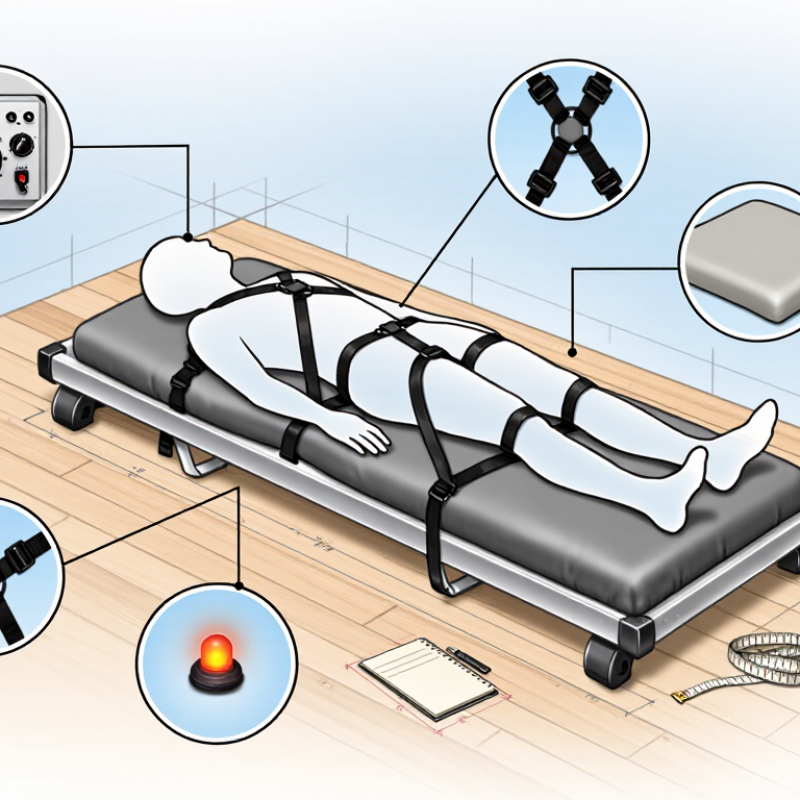
Understanding How Full Body Traction Devices Work
A full body traction device applies a controlled pulling force along the spine and major joints. The user usually lies on a padded table, secures a pelvic or chest harness, and adjusts the force gradually. Some systems use intermittent cycles, while others maintain a steady stretch. The aim is to reduce compressive loading temporarily, improve comfort, and support gentle movement. The sensation should resemble a firm, tolerable stretch, not sharp pain or numbness.
Device selection should follow the mechanism, not the advertising. The World Health Organization’s 2023 Low Back Pain fact sheet estimates that 619 million people experienced low back pain in 2020. This highlights the need for safe, evidence-based choices. However, the Cochrane review on traction for chronic low back pain reported little or no clinically important benefit compared with other treatments. NICE guideline NG59 also advises against traction for managing low back pain or sciatica. These findings make aggressive stretching difficult to justify.
Look for adjustable force, stable support, emergency release, and clear user instructions. A qualified clinician should screen osteoporosis, spinal instability, recent surgery, and unexplained neurological symptoms before use. More pulling is not better. A smooth session can still irritate tissue later. I would record pain, tingling, and mobility before and after each session, then reassess honestly. The device may help some people briefly, but it should not replace movement training or professional evaluation.
Identifying Your Personal Traction and Support Needs
Choosing a full body traction device starts with identifying your actual support needs, not selecting the strongest pull.
The World Health Organization reported that low back pain affected 619 million people worldwide in 2020. It may reach 843 million by 2050.
Those numbers show the scale of the problem, but they do not justify one device for everyone.
Start with location. Is discomfort mainly lumbar, cervical, or spread across the spine? Note when symptoms appear, such as after driving, lifting, or waking.
A device should support your posture without creating numbness, sharp pain, or excessive pressure.
It should also allow small adjustments in angle, duration, and body position.
Stronger is not always better.
Look for professional guidance. A clinical practice guideline from the American Physical Therapy Association supports traction only for selected patients, including some with signs of nerve-root involvement. Evidence is not consistent.
A Cochrane review also found limited or low-quality evidence for routine traction in low back pain. That matters.
Before use, discuss vascular disease, osteoporosis, recent surgery, pregnancy, or unexplained pain with a qualified clinician.
Measure your body carefully, inspect the straps, and begin with short sessions. Stop if symptoms spread down an arm or leg.
Personal testing helps, but it is imperfect. Your first choice may need revision.
Comparing Device Types, Features, and Adjustment Options
How to Choose the Best Full Body Traction Device?
Device choice should match your symptoms, body size, and supervision needs. The World Health Organization reported that 619 million people experienced low back pain in 2020. That number may reach 843 million by 2050. The Global Burden of Disease study also identifies low back pain as the leading cause of disability worldwide. However, larger demand does not prove that traction works for everyone. NICE guideline NG59 advises against routine traction for low back pain and sciatica. Professional assessment matters.
Inversion tables use body weight and adjustable angles. Motorized traction tables apply controlled pulling force through padded harnesses. Pneumatic belt systems offer gentler compression, often for home routines. Each type feels different. A manual device may provide useful control, but consistency can be poor. Look for clear angle or force settings, smooth increments, secure shoulder and pelvic support, and an emergency release. A higher force is not automatically better. Small adjustments matter.
Check the height and weight range carefully. Your hips should remain stable, while your spine receives even support. The frame should stay steady on a hard, level floor. Read the maintenance instructions. Confirm that straps do not pinch during movement. Home use needs extra caution, especially without supervision. I would not select a device from advertising alone. My own preference would change after a clinician tests fit, tolerance, and movement quality.
How to Choose the Best Full Body Traction Device? — Comparing Device Types, Features, and Adjustment Options
| Device Type | Traction Method | Typical Body Position | Adjustment Options | Common Features | Portability | Typical User Suitability | Key Advantages | Important Limitations | Overall Flexibility |
|---|---|---|---|---|---|---|---|---|---|
| Inversion Table | Uses body weight and gravity to create traction while the user rotates backward. | Head-down, horizontal, or partially inverted. | Adjustable user height, ankle-locking position, rotation resistance, and inversion angle. Many models include an angle limiter. | Padded backrest, ankle supports, safety handles, adjustable pivot settings, and folding frame on some designs. | Low to moderate; generally designed for indoor use and requires storage space. | Users who want broad spinal decompression and can tolerate inversion. | Provides traction across much of the spine and allows gradual angle changes. | May be unsuitable for some people with cardiovascular, eye, balance, blood-pressure, or joint conditions. It also requires safe mounting and dismounting. | High |
| Motorized Traction Table | Applies controlled intermittent or static pulling force through a motorized mechanism. | Usually lying supine; some tables support prone positioning. | Adjustable force, treatment time, traction cycle, hold-and-rest periods, and sometimes treatment angle or split-table movement. | Electronic controls, timer, padded surface, emergency stop, adjustable pelvic and upper-body supports, and programmable cycles. | Very low; typically intended for clinics or dedicated treatment rooms. | Professional clinical environments and users requiring precise, repeatable settings. | Offers the most consistent control and repeatability among common traction systems. | Large, expensive, and generally requires professional assessment, setup, and supervision. | Very high |
| Manual Traction Table | Traction is produced by a practitioner using manual force, body positioning, or table movement. | Usually lying down, with positioning selected for the treatment area. | Practitioner-controlled force, direction, duration, body position, and mobilization technique. | Adjustable sections, padded surfaces, pelvic straps, head supports, and mechanical height adjustment on some tables. | Very low; normally used in physiotherapy or rehabilitation facilities. | Patients who require individualized assessment and hands-on treatment. | Allows the practitioner to adapt force and positioning in real time. | Results depend heavily on practitioner skill and cannot usually be operated independently. | High |
| Door-Mounted or Over-Door Traction Unit | Uses a pulley, harness, and weight or resistance system to create gentle longitudinal traction. | Usually seated or lying, depending on the configuration. | Adjustable resistance or weight, harness height, head position, and treatment duration. | Head halter, pulley, cord, weight bag or resistance system, and door attachment hardware. | High; components are usually compact and easy to store. | Users seeking a lower-cost home option after receiving appropriate instructions. | Compact, comparatively affordable, and capable of targeted cervical traction. | Door strength and installation quality are important. Incorrect force or head positioning can cause discomfort or injury. | Moderate |
| Cervical Traction Device | Applies a pulling force to the neck to reduce compressive loading and encourage gentle elongation. | Seated, lying, or supported in a semi-reclined position. | Adjustable force, neck angle, head support, strap position, and session time, depending on the design. | Neck cradle or halter, padded support, hand pump or mechanical adjustment, and portable frame. | High; many units are designed for home storage or travel. | Users needing cervical rather than whole-spine traction. | Small footprint and relatively simple adjustment for the neck region. | It does not provide full-body traction and may aggravate symptoms if the neck is positioned incorrectly. | Moderate |
| Lumbar Traction Bench | Uses body positioning, a harness, and mechanical or pneumatic tension to unload the lower back. | Seated, semi-reclined, or lying, depending on the design. | Adjustable pelvic belt position, backrest angle, resistance level, and treatment duration. | Pelvic harness, lumbar support, adjustable seat or backrest, and manual or pneumatic controls. | Moderate; smaller than a clinical table but usually heavier than a portable belt system. | Users who want focused lumbar traction with stable pelvic support. | Provides targeted lower-back positioning and usually allows easier access than floor-based systems. | Primarily treats the lumbar region and may not suit users with hip, pelvic, or sitting-tolerance limitations. | Moderate to high |
| Stretching or Traction Frame | Combines supported body positioning with manual stretching, straps, or low-level mechanical tension. | Standing, seated, or lying, depending on the frame configuration. | Adjustable frame height, strap position, body angle, range of movement, and support points. | Adjustable bars, straps, handles, padded supports, and sometimes resistance bands. | Moderate to high; folding designs are easier to store. | Users seeking gentle mobility work and assisted stretching rather than high-force traction. | Versatile positioning and useful for combining traction with controlled stretching. | Force is often less precise than with motorized equipment, and improper stretching technique can strain muscles or joints. | High |
| Portable Traction Belt or Harness | Uses straps, belts, or a manual tensioning system to provide low-level traction while supported. | Usually seated, standing, or lying with an external anchor point. | Adjustable belt tightness, strap length, anchor height, and manual tension. | Lightweight harness, adjustable straps, carrying pouch, and basic tension control. | Very high; generally the easiest type to transport. | Users prioritizing portability and gentle, temporary support. | Lightweight, inexpensive relative to larger devices, and convenient for travel. | Provides limited force control and may not offer stable whole-body alignment or sufficient support for complex conditions. | Low to moderate |
Checking Safety Standards, Comfort, and Ease of Use
Choosing a full body traction device starts with safety, not appearance. Look for recognized compliance markings relevant to your country, clear manufacturer instructions, and traceable testing information. A certification mark alone does not prove that every setup is safe. Check the weight limit, locking points, emergency release, electrical protection, and frame stability. The device should stay firm when you shift your shoulders or bend your knees. Never ignore missing warnings or vague maintenance guidance.
Comfort affects whether you can use the device correctly. Padding should support your neck, back, hips, and legs without creating pressure points. Adjustable straps need to hold the body securely, but they should not restrict breathing or circulation. Try to assess the surface texture, ventilation, noise level, and cleaning process. Small details matter. A warm, stiff pad may become uncomfortable after ten minutes. I once underestimated that issue when testing similar equipment.
Ease of use also deserves close attention. Controls should be readable, reachable, and simple enough to operate without twisting. Look for gradual tension adjustments rather than sudden changes. Getting onto the device and leaving it should require minimal effort, especially for users with limited mobility. A second person may be helpful during initial setup, although that is not always practical. If you have osteoporosis, recent surgery, severe pain, numbness, or another medical condition, ask a qualified clinician before use. Even a well-designed device may be unsuitable for you.
Evaluating Quality, Cost, and Long-Term Value
How to Choose the Best Full Body Traction Device?
Evaluating Quality, Cost, and Long-Term Value
A full body traction device should feel stable, adjustable, and predictable during every session. I learned this through trial and error. A cheaper frame may look attractive, but loose hinges can create uneven pressure and frustrating setup time. Fit matters. Check the user height range, weight capacity, padding thickness, and adjustment points before comparing prices.
Quality also depends on materials and documented testing. Look for clear instructions, safety warnings, durable stitching, and easy-to-clean surfaces. Independent testing or compliance documentation can improve confidence, but certificates should be verified rather than assumed. A licensed healthcare professional can help determine whether the device suits your condition. Traction is not appropriate for everyone, especially people with certain spinal, bone, or circulation problems.
Cost includes more than the purchase price. Consider delivery, assembly, replacement straps, maintenance, and the warranty period. A reliable warranty with responsive support may protect your investment better than a dramatic discount. Return policies matter too, because comfort is difficult to judge from photographs. I would also measure storage space first; a device that remains folded in a closet provides little value. My own evaluation would still include one uncomfortable question: will I use it consistently after the novelty fades? Long-term value depends on safe habits, realistic expectations, and a design that fits daily life.
How to Choose the Best Full Body Traction Device?
Evaluating quality, cost, and long-term value with a practical decision-weighting model.
Quality and safety-related features receive the greatest weight because stable construction, controlled adjustment, secure positioning, and appropriate fit directly affect usability. Cost matters, but long-term value also depends on durability, maintenance needs, warranty coverage, and return policies. Always check whether traction is appropriate for your individual condition with a qualified healthcare professional.

