How to Choose Industrial Lifting Equipment?
Choosing industrial lifting equipment starts with the load, the route, and the work environment—not the catalogue. A 2-tonne pallet lifted vertically in a clear warehouse presents different demands from a bulky machine moved through a narrow workshop. Capacity matters, but so do lift height, duty cycle, travel distance, floor condition, power supply, and available headroom. A mismatch can mean slower handling, unnecessary strain, or equipment that cannot safely reach the work.
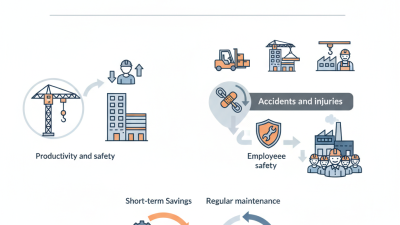
The safety context is substantial. The U.S. Bureau of Labor Statistics reported 5,283 fatal work injuries across all industries in its 2023 Census of Fatal Occupational Injuries. Its 2023 Survey of Occupational Injuries and Illnesses recorded 2.6 million nonfatal cases in private industry. These figures are not specific to lifting equipment, but they underline why selection and operating procedures deserve careful attention. Details matter.
A practical comparison should consider hoists, cranes, forklifts, and lifting tables against the actual task, rather than choosing by rated capacity alone. Check the manufacturer’s load charts, inspection guidance, and limits for the intended operating conditions. Also confirm that operators can position and control the load without obstructing walkways or sightlines. It sounds obvious. It is often missed.
This guide explains how to assess capacity, movement, environment, safety features, maintenance, and total cost before buying. A little uncertainty is normal: site conditions change, and specifications cannot predict every awkward load. Treat the first equipment choice as a decision to verify with a qualified supplier and a site-specific risk assessment.
Define the Load: Record Mass, Center of Gravity, and Lift Frequency
How to Choose Industrial Lifting Equipment?
Start with the load, not the catalogue. Record its verified mass, including pallets, fixtures, lifting beams, and attachments. A drawing may show the product weight but miss a heavy tool mounted underneath. The awkward part: “about 800 kilograms” is not a usable specification. Confirm uncertain weights with a suitable scale or reliable engineering records.
Mark the center of gravity on the load sketch. An offset center can tilt a load, tighten one sling leg, or shift it during the first few centimetres of travel. Note lifting points, shape, and any contents that can move. HSE recorded 138 worker deaths in Great Britain in 2023/24, including 50 deaths from falls from height. This is not a lifting-only figure, but it underlines why a stable, controlled lift matters.
Record lift frequency as cycles per hour, shifts per day, and expected operating life. A hoist used for occasional maintenance has a different duty profile from one moving loads every few minutes. Compare the real cycle pattern with the equipment’s rated duty class, not just its maximum capacity. Also note travel distance and starts per cycle; these affect wear and heat. Small detail, big impact. I would recheck the frequency estimate after observing a normal shift, because planned cycles often differ from actual use.
Match Rated Capacity to the Load and Required Duty Class
Rated capacity is not simply the weight printed on a load ticket. Include the hook, slings, spreader beams, and other attachments when calculating the suspended load. A 2,000-kilogram machine may need more capacity once its lifting gear is added. Check the equipment’s rated capacity at the actual configuration, including any reduced limits for longer spans or off-center loading. Keep the load balanced, and avoid treating a safety margin as extra usable capacity. Small details matter.
Duty class describes how often and how hard the equipment is expected to work. A hoist moving light loads for a few cycles each day has different demands from one cycling near capacity across multiple shifts. Consider operating hours, starts per hour, load distribution, and the number of lifting cycles. Dust, heat, and frequent stops can also affect wear. These details are often estimated too casually; a simple shift log can reveal a much heavier duty pattern than memory suggests. Compare that pattern with the equipment’s documented duty rating, not just its maximum capacity. If the load profile or operating conditions are uncertain, have a qualified lifting professional review the selection before installation. That can feel like extra work, but replacing an undersized unit is worse.
Choose a Hoist, Crane, or Forklift for Reach, Headroom, and Travel
How to Choose Industrial Lifting Equipment?
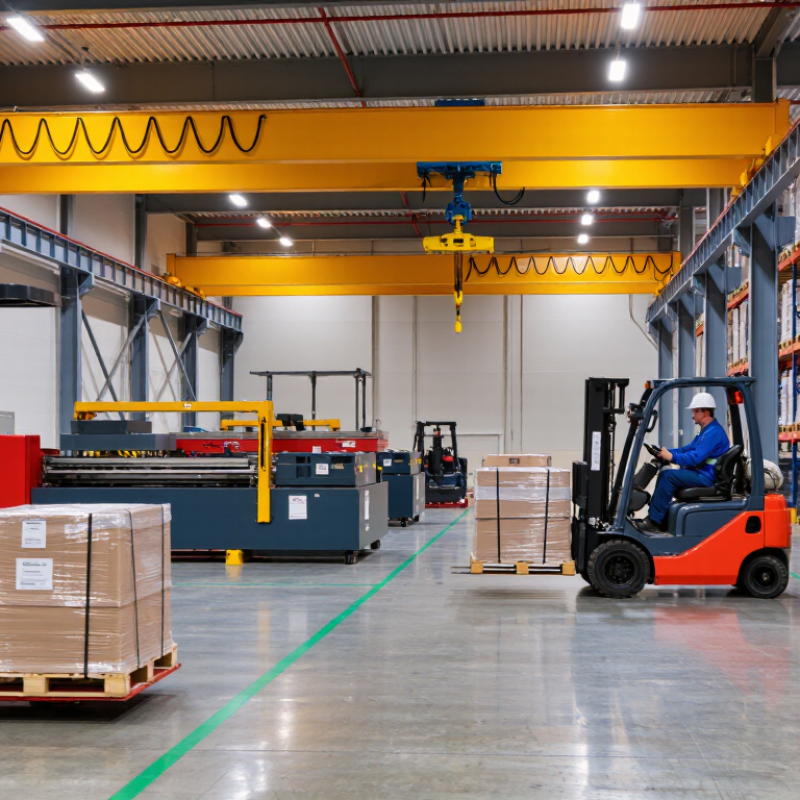
Choose by mapping the load’s full route, not just its weight. A hoist suits repeated vertical lifts at one point or along a short trolley path. Check hook approach and headroom: a low ceiling may leave too little space between the hook and the beam. Measure the load, lifting height, and clearance around nearby pipes or lights. Small details matter. A heavy load is not the only concern; frequent starts can also affect equipment selection.
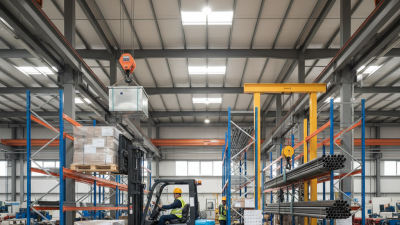
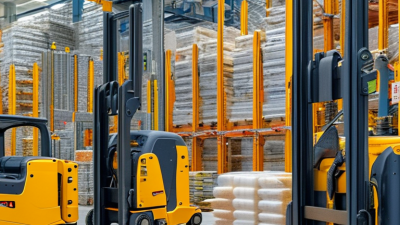
A crane can move loads across a wider work area, while a forklift travels between locations and can stack materials. For example, a pallet moving through narrow aisles may favor a forklift, but long loads overhead may need a crane and a clear travel path. Measure aisle width, turning space, floor condition, and storage height before deciding. A common planning miss is measuring the destination but not the route. Recheck rated capacity, load center, duty cycle, and site conditions against equipment specifications, and ask a qualified lifting professional to review uncertain cases. Real layouts are rarely perfect.
How to Choose Industrial Lifting Equipment
Typical vertical lift-height ranges for common configurations (meters)
Use a forklift when loads need to travel across the floor; choose a hoist for vertical lifting at a fixed point; consider an overhead crane when loads need to move across a work area. Check the available headroom, required hook height, reach, and travel path against the specifications of the actual equipment. Ranges shown are representative, not equipment limits.
Check Site Conditions and Applicable OSHA and ASME Requirements
Before comparing lifting capacity, walk the actual route from pickup point to final placement. Measure doorways, ceiling clearance, turning space, and the distance from the load to the equipment’s support point. Check floor condition and capacity, including covers over pits or service trenches. Outdoors, note wind exposure, slopes, and soft ground. A compact hoist may fit through a doorway but still need room for its trolley, hook, and suspended load. Small details matter.
Then identify the OSHA requirements and ASME standards that apply to the specific equipment, task, and workplace. Requirements can differ for cranes, hoists, slings, and below-the-hook devices, so confirm the relevant rules with a qualified safety professional. Review rated-capacity markings, inspection records, operating limits, and the manufacturer’s instructions before use. ASME B30 standards cover different equipment categories; the applicable section depends on what you are selecting. Do not guess. A load chart can look reassuring, yet it may not reflect a side pull, an uneven floor, or an obstructed path. Write down those conditions, verify the proposed setup, and revisit the choice if site measurements or the lift plan change. One overlooked clearance can turn a suitable rating into an unsuitable setup.
Verify Load Markings and Testing: OSHA Caps Crane Test Loads at 125% of Rated Capacity
Choosing industrial lifting equipment starts with the load markings. Confirm the crane’s rated capacity, identification plate, and applicable load chart before lifting. For overhead and gantry cranes covered by OSHA 29 CFR 1910.179(k)(2), a test load must not exceed 125% of rated capacity unless the manufacturer recommends otherwise. That percentage is a testing limit, not permission to routinely lift beyond the crane’s rating. A 10-ton crane, for example, should not be treated as a 12.5-ton working machine.
Check that test records identify the equipment, test load, date, and responsible inspector. Compare those details with the plate and the manufacturer’s instructions. Missing markings or mismatched records are practical warning signs; pause and have a qualified person resolve them. Paperwork can look complete and still be wrong.
Tips: Before testing, verify the test-weight value with calibrated equipment and confirm the test procedure. Keep people clear of the suspended load. OSHA’s 125% figure comes from its overhead-crane standard; it does not replace equipment-specific requirements or a competent inspection. I still find load labels easy to overlook, especially when paint or grime hides the small print. Clean and recheck them.