

Blog
How to Choose a PVC 2-Piece Ball Valve?
Choosing the right PVC 2-Piece Ball Valve is not simply a matter of matching pipe diameter. The valve must suit the fluid, pressure, temperature, connection method, and installation environment. A small mismatch can cause leaks, difficult operation, or premature failure. This guide explains the practical decisions behind a reliable selection.
In field installations, I have seen a valve look suitable until the application details were checked. A clear PVC body may help with visual inspection, but it does not automatically suit every chemical service. EPDM and FKM seals behave differently. Threaded ends can simplify replacement, while solvent-weld connections may reduce leakage points when installed correctly. Check the manufacturer’s pressure-temperature chart. Do not rely on appearance alone.
Size matters.
The valve should support the system’s flow requirements without creating unnecessary restriction. Full-port designs often reduce pressure loss, but they may require more installation space. Consider handle clearance, pipe alignment, support, and future servicing. Confirm the valve’s material grade and applicable product certifications for potable water or industrial use. Standards and test data should come from traceable manufacturers, not vague marketing claims.
There is no universal best valve. That is the part many buyers overlook. A low-cost option may perform well in clean water but fail in aggressive chemicals or frequent cycling. Before ordering, compare operating conditions with published specifications, inspect the sealing materials, and ask for technical documentation. Careful selection improves safety, service life, and maintenance planning, even when the final decision is not the cheapest one.
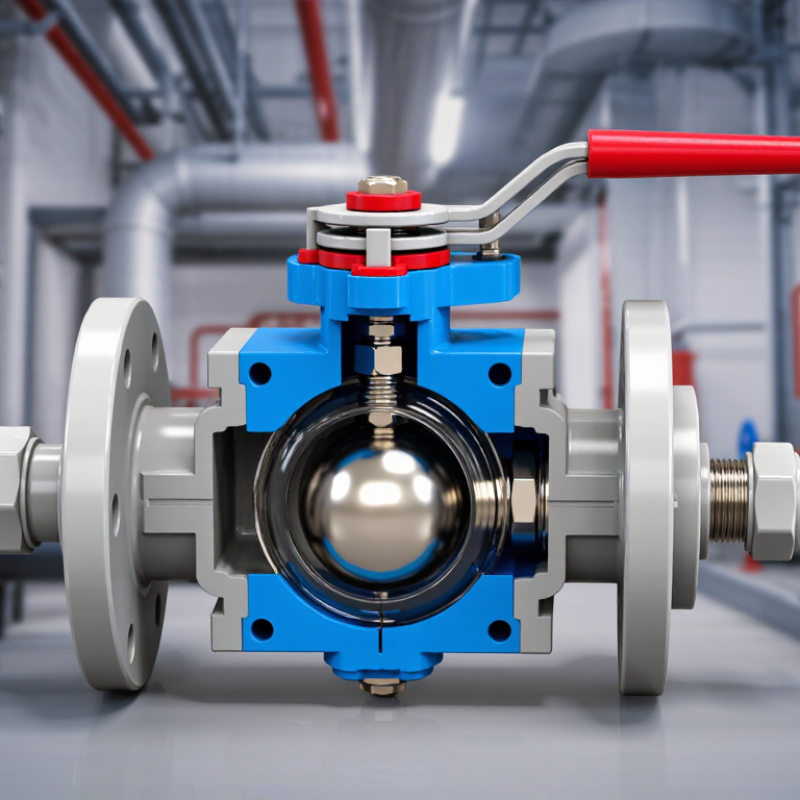
Define the Application and Operating Conditions
How to Choose a PVC 2-Piece Ball Valve?
Define the Application and Operating Conditions
Start by identifying the fluid, pipe size, flow direction, and expected service frequency. Water, mild chemicals, and abrasive slurries create very different valve demands. A clear application profile prevents a convenient choice from becoming an expensive mistake. I have seen installations fail because the fluid was described only as “chemical water.” That label was too vague.
Record the normal and peak pressure, operating temperature, and possible pressure surges. Check whether the system experiences vacuum conditions during draining or cooling. PVC performs well within its rated range, but heat can reduce pressure capability significantly. Review the valve’s pressure-temperature chart, not just its maximum pressure number. Also consider sunlight, freezing temperatures, vibration, and limited installation space.
Confirm that the valve body and seals match the medium. Chemical compatibility depends on concentration, temperature, and exposure time. A material chart helps, but testing may still be necessary for unusual fluids. Choose the connection method according to the piping system and maintenance plan. Threaded joints may simplify removal, while solvent-welded connections can reduce leak paths. Leave enough room to operate the handle and replace the valve. Check actuation torque if automation is planned. Dirty service may increase torque unexpectedly. That detail is easy to overlook.
Choose the Correct Valve Material and Size
How to Choose a PVC 2-Piece Ball Valve?
Choose the Correct Valve Material and Size
Material selection starts with the fluid, temperature, and pressure. Standard PVC suits many cold-water and mild chemical systems. However, heat can reduce its pressure capacity. ASTM D1784 classifies rigid PVC compounds by strength and impact performance, but the compound rating alone does not approve every valve design. Check the valve’s pressure-temperature chart, not only the pipe specification.
Size the valve by flow demand, not by pipe diameter alone. A 2-inch line may still require a smaller or larger valve, depending on velocity and pressure loss. Use the required flow rate and the valve’s published Cv value. ASHRAE flow-design guidance treats Cv as a practical method for estimating control-valve capacity. For water, a higher Cv usually means less pressure loss. Still, oversized valves can create poor control and unnecessary cost. That mistake is common.
Tips: Confirm the connection standard, seat material, and certification for the service. NSF/ANSI/CAN 61 is relevant for components contacting drinking water. Measure actual operating temperature. Leave room for unions and handle movement. I have seen installations fail because the valve fit the pipe, but not the process. Recheck the datasheet.
Compare Connection Types and Pressure Ratings
How to Choose a PVC 2-Piece Ball Valve?
Connection type affects installation time, maintenance, and leak risk. Threaded valves suit removable equipment and compact pipe runs. Match the thread standard carefully, such as NPT or BSP. They may look compatible but seal poorly when mismatched. Socket connections use solvent cement for a compact, permanent joint. They work well in fixed piping, but removal later requires cutting the pipe. Flanged connections simplify larger installations and repeated servicing. They also need correct bolt tightening and a suitable gasket. Union-style connections offer easier valve replacement, although they can cost more and require extra space.
Pressure rating needs more than one number. Check the valve rating at the actual operating temperature, not only at room temperature. PVC pressure capacity decreases as temperature rises. Confirm the rating for the valve body, seals, connection method, and pipe system. The weakest component controls the assembly. This detail is often missed.
Before choosing, compare the working pressure with possible surges. Pumps can create short pressure spikes that ordinary gauges may not show. Leave a practical safety margin. In field inspections, poor alignment and excessive thread sealant cause many avoidable leaks. Hand-tightening followed by limited wrench adjustment is usually safer than forcing the joint. I would still verify the manufacturer’s data sheet and local installation requirements. A pressure rating alone can mislead. Temperature, chemicals, cycling, and installation quality matter too.
How to Choose a PVC 2-Piece Ball Valve?
Compare connection types and typical pressure ratings at 73°F (23°C).
Socket, threaded, union, and flanged PVC ball valves commonly use a 150 psi rating in smaller sizes and approximately 100 psi in larger sizes. Socket connections provide compact solvent-welded installation, threaded connections simplify removal, union connections allow easier maintenance, and flanged connections are useful for larger piping systems. Actual pressure ratings depend on valve size, temperature, PVC schedule, and the manufacturer’s specification.
Evaluate Seal Materials and Flow Performance
How to Choose a PVC 2-Piece Ball Valve?
Seal material directly affects service life and leakage resistance. PTFE seats handle many corrosive chemicals and maintain smooth operation. EPDM performs well with water, mild acids, and alkaline solutions. FKM can suit oils and higher-temperature applications, but compatibility must be verified.
Do not select a seal by temperature alone. Check concentration, pressure, cycling frequency, and cleaning chemicals. In field evaluations, mismatched seals often fail before the PVC body. That result is frustrating, but preventable.
Tips: Request a chemical compatibility chart. Confirm the actual operating temperature. Inspect the seat after pressure testing. A soft seat may reduce torque, yet it can deform under excessive heat or pressure.
Flow performance deserves equal attention.
A full-port ball valve usually creates less pressure loss than a reduced-port design. This difference matters in long pipelines, small pumps, and systems with limited pressure. Compare the valve’s flow coefficient, or Cv, with the required flow rate.
A higher Cv can reduce turbulence and pumping demand. However, published values may use ideal test conditions. Real installations include elbows, filters, and partially open valves.
Measure the complete system when accuracy matters. Avoid oversizing, because poor control and unstable flow can follow.
Small details count.
Verify Standards, Maintenance, and Supplier Quality
Choosing a PVC 2-Piece Ball Valve requires more than checking pipe size and price. Verify the valve’s material, pressure rating, temperature range, and connection dimensions. Ask which standards apply to your system. Common references may include ASTM, ISO, or drinking-water certification requirements, depending on the application and region. Do not assume a familiar marking proves compliance. Request current certificates and test reports.
Maintenance should be practical and visible. Before installation, inspect the valve body for cracks, distortion, or uneven threads. Turn the handle slowly and confirm full opening and closing. Avoid using excessive force. It can damage the stem or seat. During service, check for leakage around the joints and stem area. A clean, dry surface makes small leaks easier to detect. Keep spare seals available when the system cannot remain offline for long.
Supplier quality is often revealed by details. A reliable supplier should provide batch identification, dimensional records, pressure-test results, and clear installation instructions. Ask how raw materials are controlled and how defective units are handled. Sample testing is wise for large orders. I have seen specifications look acceptable while handle fit and sealing performance varied between batches. That is not always visible in photographs. A factory visit or independent inspection may cost more, but it can expose weak packaging, poor storage, or inconsistent assembly. Recheck every assumption. Specification sheets can be outdated.

