
Blog
Top Tips for Effective Drum Handling Techniques?
Effective drum handling is vital in many industries. Proper techniques can ensure safety and efficiency. However, many overlook these essentials.
Workers often struggle with lifting and maneuvering heavy drums. They may not realize the risks involved. Incorrect handling can lead to injuries and spills. It's crucial to adopt best practices to avoid these issues.
Using the right equipment can make a difference. It prevents strain and enhances control. Regular training can ensure everyone understands proper drum handling methods. Reflecting on past mistakes can guide improvement in processes. Ultimately, effective drum handling promotes a safer workplace.
Understanding the Importance of Proper Drum Handling Techniques
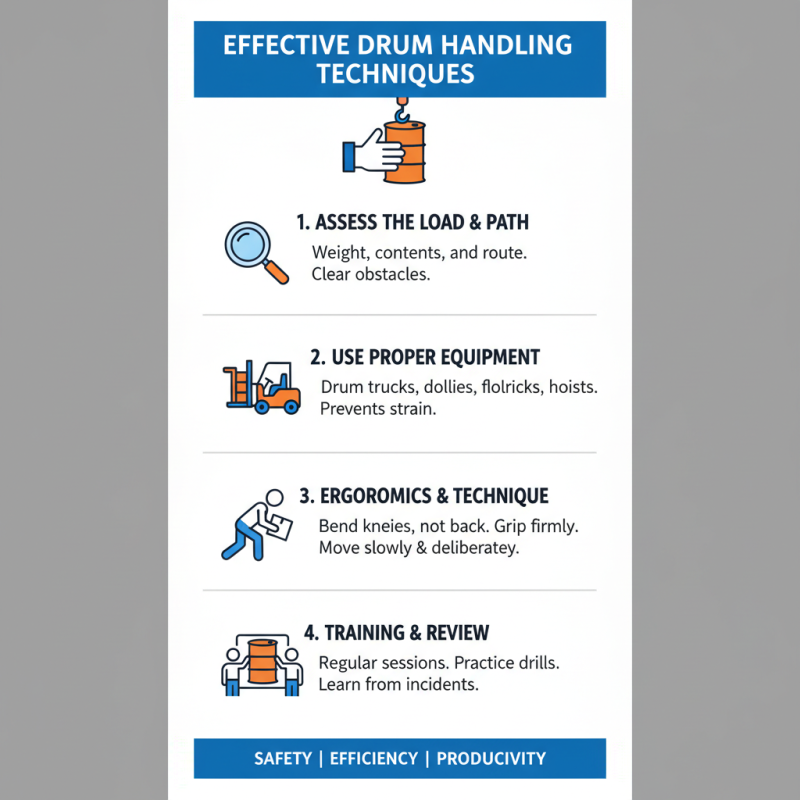
Proper drum handling techniques play a vital role in ensuring safety and efficiency in various settings. When dealing with heavy drums, one must be aware of potential hazards. Poor lifting methods can lead to injuries or accidents. A common mistake is neglecting to assess the weight of the drum before attempting to move it. This oversight can put unnecessary strain on the body.
It’s essential to use the right equipment. Trolleys or dollies can alleviate pressure on the back. When lifting, bending correctly can make a significant difference. Keeping the back straight and bending at the knees should be practiced. However, it’s not uncommon to see people hurrying and forgetting these crucial steps.
Environmental factors also matter. Wet or slippery surfaces can increase the risk of slipping. Training employees on proper handling techniques can reduce these risks. Recurrent refresher courses allow for necessary reassessment of techniques. Mistakes can teach valuable lessons, and it's important to acknowledge areas for improvement. Establishing a culture of safety is key to moving forward effectively.
Top Tips for Effective Drum Handling Techniques
| Tip Number | Handling Technique | Benefits | Safety Precautions |
|---|---|---|---|
| 1 | Use Proper Lifting Techniques | Reduces risk of injury | Bend knees, keep back straight |
| 2 | Utilize Drum Dollies | Eases transportation | Ensure dolly is in good condition |
| 3 | Securely Fasten Drums | Prevents spills and accidents | Use appropriate straps or restraints |
| 4 | Label Drums Clearly | Enhances safety and compliance | Use waterproof labels |
| 5 | Regular Training and Refreshers | Keeps team updated on best practices | Conduct training sessions periodically |
Key Safety Practices for Drum Handling in the Workplace
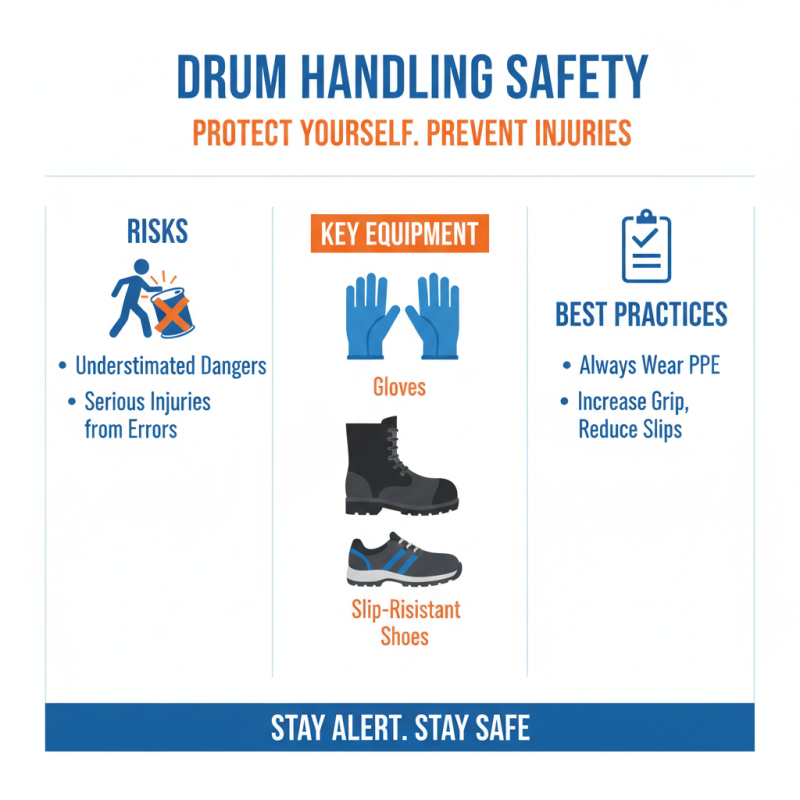
Handling drums in the workplace requires attention to safety practices. Many workers underestimate the risks involved. A simple mistake can lead to serious injuries. Always wear appropriate personal protective equipment, such as gloves and steel-toed boots. Slip-resistant shoes increase grip, reducing the chances of accidents.
When lifting a drum, use the correct technique. Bend your knees, not your back. Carry the drum close to your body. This method reduces strain on your muscles. Sometimes, workers rush and forget these basics. It’s important to take your time. Remind your colleagues of this practice regularly. If a drum is too heavy, ask for help.
Storing drums properly is crucial. Keep them in a dry, well-ventilated area. Avoid stacking them on uneven surfaces. Misalignment can cause them to fall. An open space encourages better movement and reduces hazards. Always inspect drums before handling. Check for leaks or damage. Taking these precautions can help prevent workplace accidents and promote a safer environment.
Step-by-Step Guide to Lifting and Moving Drums Safely
When it comes to lifting and moving drums, safety is paramount. Start by assessing the drum's contents and weight. Are you sure of its exact weight? It may be more than expected. Always wear appropriate personal protective equipment, such as gloves and steel-toed boots. Establish a clear path before you begin moving.
Use proper lifting techniques. Bend at your knees, not your waist. Keep your back straight while lifting. Ensure that your grip is firm and stable. If the drum is too heavy, don’t hesitate to ask for help. Consider using tools like drum dollies for easier movement. Are you familiar with this equipment? Many people underestimate its benefits.
After moving the drum, ensure it is stored safely. Check that it is secure and won’t roll or tip over. Be aware of your surroundings. Are there obstacles in your area? Reflect on your process. Was there anything that could have gone smoother? Learning from each experience is crucial for effective drum handling.
Tools and Equipment to Enhance Drum Handling Efficiency
When handling drums, selecting the right tools and equipment greatly improves efficiency. Consider the use of drum dollies. These allow for easy maneuvering of heavy drums. With sturdy wheels, they can prevent back strain and reduce the risk of spills. Skids and drum lifters are also vital. They can raise a drum, allowing maintenance or transfer without excessive effort.
Proper lifting techniques are just as important. Always lift using your legs, not your back. This simple adjustment can prevent injuries. A common mistake is underestimating the weight of a full drum. Always check the weight before attempting to lift it. It’s crucial to maintain proper posture while handling drums, as many forget this.
Ergonomic gloves can enhance grip and comfort while moving drums. They may seem like a minor detail, but they significantly reduce hand fatigue. Remember to regularly assess your workspace. Clutter and poor organization can lead to accidents. Reflecting on your handling techniques can lead to more effective practices. Consider what improvements can be made in your routine. Small changes can yield significant results in safety and efficiency.
Training and Best Practices for Team Members Handling Drums
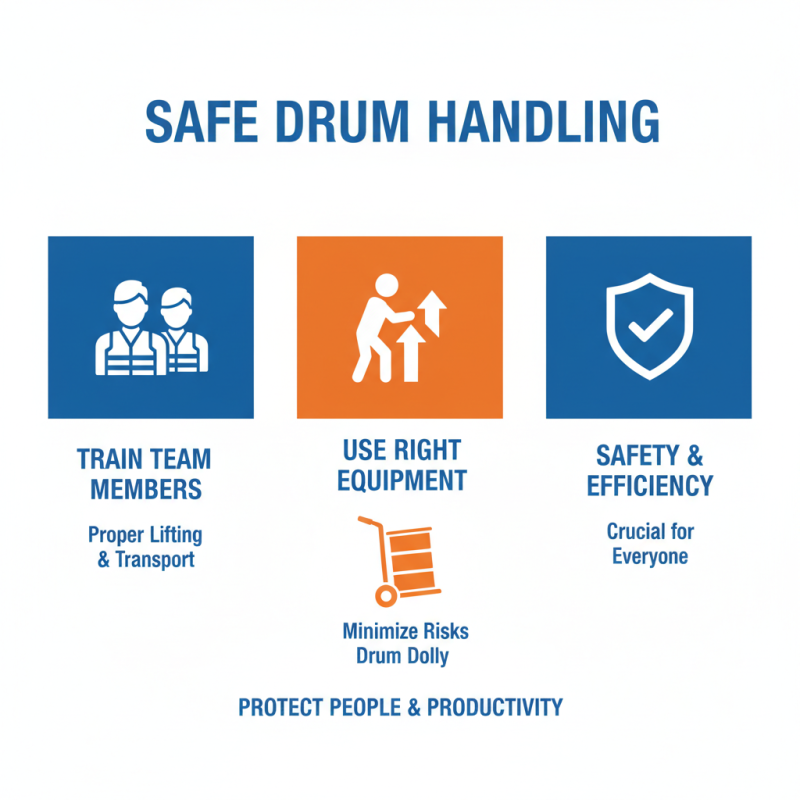
Effective drum handling techniques are crucial for safety and efficiency. Training team members is a key component. Everyone should understand the importance of proper lifting and transportation methods. Using the right equipment can minimize risks. For instance, a drum dolly can help transport heavy drums without strain.
Training sessions should include practical demonstrations. Team members often overlook the correct posture while lifting. A straight back and bent knees are essential. Regular drills can reinforce good habits. Frequent feedback is also necessary. Discussing mistakes openly can lead to improvement.
It's important to assess current practices. Are team members following safety protocols? Identifying gaps is vital for effective training. Encourage an environment where questions and concerns are welcomed. Learning from each situation benefits everyone involved. Drums can be hazardous if not handled correctly. Continuous reflection on handling techniques ensures ongoing safety and efficiency.
Related Posts
-
How to Properly Handle Drums for Safe and Efficient Transport
-
Top 10 Drum Lifting Equipment Options for Safe and Efficient Handling
-
Why Investing in Quality Drum Lifting Equipment Saves Time and Reduces Risks
-

What is Drum Handling and How to Safely Manage Drums in Your Workplace
-

2026 Best Drum Tilters for Efficient Material Handling Solutions?
-
Top 5 Innovative Material Handling Solutions to Enhance Your Warehouse Efficiency