10 Best Hoist Lifts for Global Buyers?
Choosing the right hoist lift is rarely a simple price comparison. A warehouse in Rotterdam may need different equipment from a fabrication shop in Nairobi or a construction site in Toronto. Load weight, lifting height, duty cycle, power supply, and working temperature can change the decision completely.
This guide examines ten hoist lifts for global buyers using practical purchasing criteria. It considers rated capacity, lifting speed, control design, brake performance, maintenance access, and spare-parts availability. Safety features matter, too. Emergency stops, overload protection, limit switches, and clear operating instructions should be verified before purchase. Regional certification and installation requirements must also be checked with qualified professionals.
Real-world details often reveal more than a product brochure. A dusty workshop may expose weak seals quickly. A busy loading bay may punish a slow motor. A remote site may struggle with unavailable replacement chains or control components. Total ownership cost includes inspection, servicing, training, transport, and downtime.
There is no perfect model. Not even close.
Product specifications can vary by configuration, supplier, and local market. Some reviews may rely on manufacturer data rather than long-term field testing. Buyers should confirm test certificates, warranty terms, installation support, and current compliance documentation before ordering. The selections below aim to provide a dependable starting point, not a universal verdict. Careful site assessment remains essential for safe and efficient lifting.
What Is a Hoist Lift and How Does It Work?
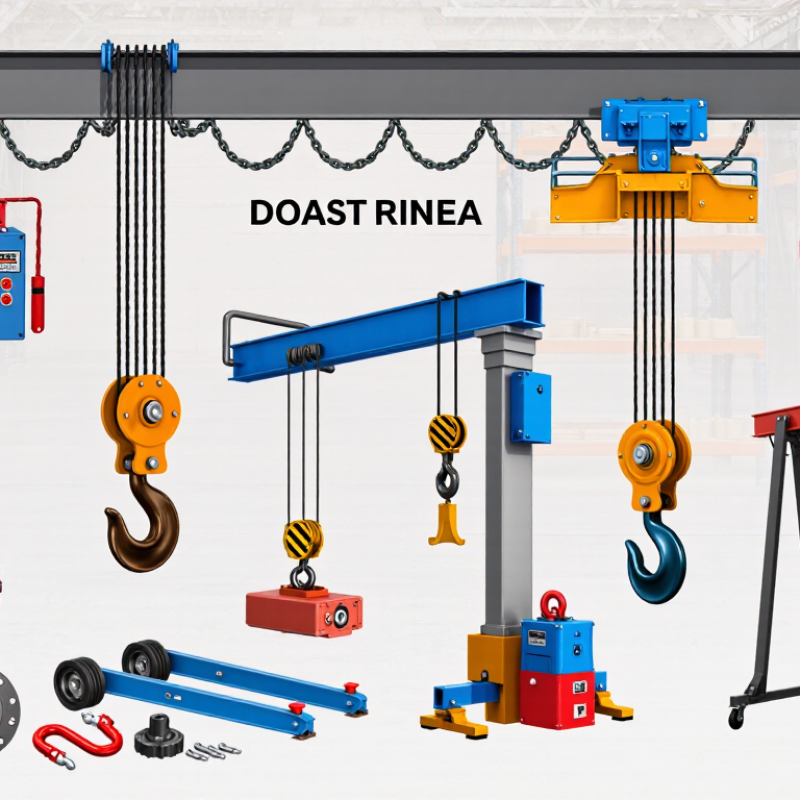
A hoist lift is a mechanical system that raises and lowers heavy loads vertically. It may use an electric motor, hand chain, wire rope, or load chain. The lifting element winds around a drum or moves through a wheel. A brake holds the load when power stops. The hook transfers force to a sling, beam clamp, or approved lifting attachment.
The operating cycle is simple but not casual. The motor creates rotation, gears increase lifting force, and the brake controls descent. A pendant, wall control, or remote device directs movement. In practical inspections, unusual noise, chain stretching, hook distortion, and uneven motion deserve immediate attention. Small defects can become serious failures. Rated capacity is not a suggestion.
Global buyers should check working load, lift height, duty cycle, power supply, control voltage, and installation space. Outdoor use may require protection against rain, dust, corrosion, or temperature changes. The supporting structure matters as much as the hoist itself. A strong hoist on a weak beam remains unsafe. Documentation should include inspection guidance, spare-part information, test records, and clear operating limits. Local electrical and workplace requirements can differ, so technical review before purchase is wise. Some product descriptions look convincing, but missing service details should invite questions.
Which Hoist Lift Types Suit Different Lifting Applications?
Choosing a hoist lift starts with the application, not the catalog photograph. On construction sites, electric chain hoists suit repetitive indoor lifting where moderate loads need controlled positioning. They are compact, economical, and easier to service than many larger systems. For heavy loads, long lifts, or outdoor crane travel, wire rope hoists usually provide greater capacity and lifting speed. Their drums need disciplined inspection, especially around abrasion, corrosion, and uneven winding.
Manual chain hoists fit maintenance work, remote areas, and occasional lifting without a power supply. Lever hoists are useful when operators need short horizontal pulls or precise tensioning. Low-headroom models help in workshops with limited clearance, but restricted space does not remove the need for safe load paths. Pneumatic hoists can perform well in wet or demanding industrial environments when the air system is clean and correctly sized. Not every site needs them.
Selection should compare rated capacity, duty cycle, lift height, controls, temperature, and available power. Check the load chart, mounting structure, emergency controls, and inspection records before purchase. A hoist rated for five tonnes may still be unsuitable if the beam, sling, or anchor is weaker. I have seen buyers focus on capacity and overlook service access. That mistake becomes expensive. Certification requirements also vary by location, so local engineering review matters. In uncertain cases, a slower hoist with better control may reduce swinging and operator strain. The best type is sometimes less impressive than expected.
How to Compare the 10 Best Hoist Lifts for Global Buyers?
Comparing the 10 best hoist lifts for global buyers requires more than checking lifting capacity. Start with the working load limit, lift height, lifting speed, and duty cycle. A hoist rated for 2 tons may perform poorly under repeated heavy use. Match the equipment to real site conditions, including temperature, dust, moisture, and available power. Manual, electric, and pneumatic models serve different workplaces. The right choice depends on daily workload, not advertising language.
Look closely at safety features and documentation. Overload protection, emergency stopping, reliable brakes, and clear inspection points matter during routine operation. Ask for test certificates, maintenance instructions, spare-parts details, and operator guidance. International buyers should verify voltage, plug requirements, packaging quality, and delivery support before ordering. These details often create more trouble than the hoist itself. A lower purchase price can hide expensive installation or servicing needs.
I compare total ownership cost over several years. Include transport, installation, inspections, energy use, replacement parts, and expected downtime. Ask whether local technicians can repair the unit. That answer may be more valuable than a longer warranty. I once focused too heavily on speed and underestimated control precision in a crowded workshop. That mistake changed my evaluation method. A spreadsheet helps, but it cannot replace a practical trial. Watch the hook travel, brake response, noise, and load stability. Small weaknesses become obvious under realistic conditions.
10 Best Hoist Lifts for Global Buyers? - How to Compare the 10 Best Hoist Lifts for Global Buyers?
| Rank |
Hoist Lift Type |
Rated Load |
Typical Lift Height |
Lifting Speed |
Power Supply |
Duty Class |
Approx. Unit Weight |
Indicative Price Range |
Best Application |
Key Selection Advantage |
| 1 |
Manual Chain Block |
0.5–20 t |
3–12 m |
0.8–3 m/min |
Manual |
Hand-operated |
15–180 kg |
US$100–2,000 |
Maintenance, construction, workshops and areas without electrical power |
Low purchase cost, portable design and simple maintenance |
| 2 |
Lever Hoist |
0.25–9 t |
1.5–6 m |
Manual, precision positioning |
Manual |
Intermittent |
3–75 kg |
US$80–1,200 |
Rigging, alignment, machinery installation and vehicle recovery |
Compact body and excellent load positioning control |
| 3 |
Electric Chain Hoist |
0.25–10 t |
3–30 m |
2–8 m/min |
220–480 V, 3-phase |
M3–M6 / FEM |
20–250 kg |
US$700–8,000 |
Factories, warehouses, maintenance bays and assembly lines |
Good balance of capacity, compact size and operating cost |
| 4 |
Electric Wire Rope Hoist |
2–50 t |
6–40 m |
4–12 m/min |
380–690 V, 3-phase |
M4–M7 / FEM |
250–2,500 kg |
US$4,000–35,000 |
Heavy manufacturing, steel handling, shipyards and industrial cranes |
High capacity and long lifting height for demanding duty cycles |
| 5 |
Air Chain Hoist |
0.25–10 t |
3–20 m |
2–20 m/min |
Compressed air, 4–7 bar |
M4–M6 / FEM |
25–180 kg |
US$1,500–12,000 |
Paint shops, chemical facilities, offshore areas and hazardous environments |
No electric motor sparks and strong overload tolerance |
| 6 |
Low-Headroom Hoist |
1–20 t |
4–25 m |
2–10 m/min |
220–480 V, 3-phase |
M3–M6 / FEM |
120–900 kg |
US$3,000–20,000 |
Workshops and buildings with restricted ceiling clearance |
Maximizes usable hook travel in low-ceiling facilities |
| 7 |
Explosion-Protected Hoist |
0.5–10 t |
3–20 m |
2–8 m/min |
220–480 V or air-driven |
M3–M5 / FEM |
80–700 kg |
US$6,000–40,000 |
Oil and gas, pharmaceutical, chemical and dust-risk facilities |
Designed for hazardous-area classifications when correctly certified |
| 8 |
Battery-Powered Hoist |
0.25–2 t |
3–12 m |
1–5 m/min |
18–48 V DC |
Intermittent |
25–160 kg |
US$1,000–8,000 |
Field service, installation work and locations without fixed power |
Cordless operation and quick deployment in remote locations |
| 9 |
Geared Trolley Hoist |
1–10 t |
3–15 m |
Hoist: 2–6 m/min; trolley: manual |
Manual trolley; electric hoist |
M3–M5 / FEM |
70–500 kg |
US$1,500–12,000 |
Workstations and short-distance load movement on runway beams |
Cost-effective horizontal travel without a powered trolley |
| 10 |
Motorized Trolley Hoist |
2–30 t |
6–30 m |
Hoist: 3–12 m/min; trolley: 10–25 m/min |
380–690 V, 3-phase |
M4–M6 / FEM |
250–1,800 kg |
US$5,000–30,000 |
Production lines, storage yards and large crane runway systems |
Efficient powered lifting and travel for repetitive material handling |
Comparison note: The figures above are typical market ranges for representative configurations, not guaranteed specifications for a particular supplier or product. Actual capacity, speed, duty class, dimensions, voltage, certification and price depend on the final configuration, installation conditions and destination market. Before purchase, verify applicable requirements such as ASME B30.16, EN 14492-2, ISO 4301, local electrical regulations and hazardous-area certification where relevant.
What Safety, Capacity, and Compliance Factors Matter Most?
10 Best Hoist Lifts for Global Buyers?
Choosing a hoist lift starts with the real load, not the advertised maximum. Confirm the working load limit, lifting height, duty cycle, and load frequency. A 2-ton hoist may struggle when used continuously near its limit. Leave a practical safety margin. Check the load chart carefully. Steel coils, machinery, and uneven loads behave differently during lifting. I have seen buyers focus on price, then discover that the available beam cannot support the equipment safely. That mistake is expensive.
Safety details deserve close inspection. Look for overload protection, emergency stopping, reliable brakes, guarded chains, and clearly marked controls. Inspect hooks for latches and visible deformation. Test the pendant or remote control before production begins. Operators also need training and a clear lifting plan. A good hoist cannot correct poor rigging. Keep hands away from suspended loads. Never treat a smooth first lift as proof of long-term safety.
Compliance can vary by destination, industry, and installation site. Request test certificates, inspection records, user manuals, and traceable serial numbers. Confirm that the electrical rating matches the local power supply. Outdoor sites may require stronger protection against dust, rain, or corrosive air. Ask whether qualified personnel can service the equipment locally. Documentation often looks complete, but missing inspection intervals create uncertainty. I would also verify certification directly, rather than trusting a copied file. Some buyers overlook this step. They should not.