

Sanitary Material Handling and Hygienic Equipment
What Are the Top LNG Refueling Station Products?
An LNG refueling station is more than a dispenser beside a storage tank. It is a linked system for receiving, storing, conditioning, measuring, and transferring fuel. The International Gas Union’s World LNG Report 2024 recorded 401.4 million tonnes of global LNG trade in 2023, highlighting the scale of the supply chain behind this fuel. That figure does not predict station demand, but it helps explain why reliable equipment matters.
The core LNG Refueling Station Product lineup usually includes a cryogenic storage tank, unloading connections, high-pressure pumps, a dispenser, metering equipment, and automated controls. The U.S. Department of Energy’s Alternative Fuels Data Center notes that LNG is stored at about minus 260°F. That matters. Tanks, valves, seals, and transfer lines must handle extremely low temperatures while limiting heat ingress. Depending on station design, vaporizers, pressure-building equipment, gas detection, and emergency shutoff devices may also be essential.
This article examines which products deserve attention and what each one does in daily operation. A well-sized pump can support steady dispensing; a clear meter helps track delivered fuel; practical controls make routine checks easier. But specifications alone can mislead. A station may have impressive equipment and still face poor uptime if maintenance access, spare parts, or operator training are overlooked. Product selection should therefore match vehicle demand, delivery method, site conditions, and service capability. There is no universal “top” package. The best choice is the one that performs reliably at the specific site, under real operating conditions.
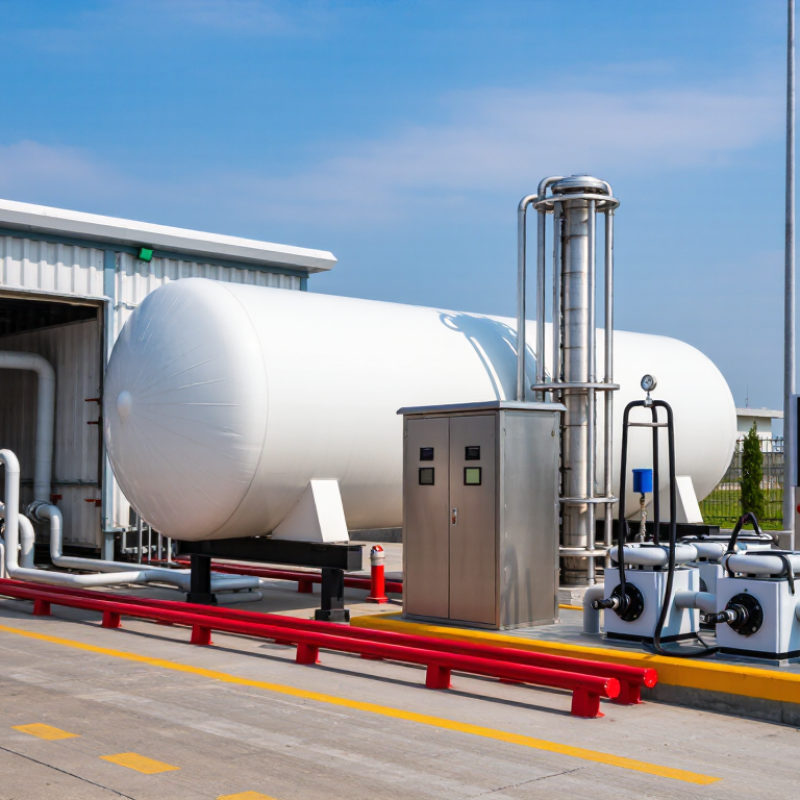
LNG Refueling Stations: Purpose and Main Product Categories
An LNG refueling station transfers liquefied natural gas into vehicle fuel tanks while keeping the fuel cold and limiting pressure changes. LNG is stored near minus 162°C, so equipment must be designed for cryogenic service. The station’s layout depends on vehicle demand, delivery access, and available space. It is not just a pump beside a tank.
Core product categories include insulated storage tanks, tanker-unloading connections, cryogenic pumps, pressure-building equipment, and dispensers. The tank may sit horizontally or vertically, depending on site conditions. Pumps move LNG through insulated piping, while valves control flow and allow sections to be isolated for maintenance. Small details matter.
Dispensers typically include a nozzle, hose, metering system, and controls for a measured transfer. Safety products may include gas and fire detectors, emergency shutoffs, pressure-relief devices, and ventilation equipment. Their placement should reflect real access routes, not only a tidy drawing. Vapor-handling equipment can also be needed to manage gas displaced during storage or filling. Product selection requires engineering review, because operating temperatures, flow rates, and vehicle connections vary. A station that looks simple from the road may have a demanding setup behind the cabinet.
What Are the Top LNG Refueling Station Products? - LNG Refueling Stations: Purpose and Main Product Categories
| Product category | Main purpose | Typical equipment | Key operating considerations |
|---|---|---|---|
| LNG storage system | Stores liquefied natural gas at cryogenic temperature before dispensing. | Vacuum-insulated storage tank, tank supports, level and pressure instruments. | Designed for cryogenic service; tank pressure, liquid level, insulation condition, and pressure-relief protection require monitoring. |
| LNG transfer and unloading equipment | Transfers LNG from a delivery tanker or other supply source into station storage. | Cryogenic hoses or loading arms, connection points, isolation valves, and transfer piping. | Connections and procedures must control leaks and manage pressure and temperature changes during transfer. |
| LNG pump system | Moves LNG from the storage tank toward the dispenser and provides the required delivery pressure. | Cryogenic pump, motor or drive, pump vessel or sump where applicable, and associated valves. | Pump selection depends on station layout and required flow; equipment must be suitable for cryogenic liquid and protected against abnormal operating conditions. |
| Pressure-building and vaporizer equipment | Uses controlled vaporization to help maintain tank or system pressure where the station design requires it. | Ambient-air or heated vaporizer, pressure-building coil, regulators, and connecting pipework. | The arrangement is design-specific; vaporizer capacity and control settings must match the station’s operating requirements. |
| LNG dispenser and metering system | Delivers LNG to a vehicle and measures the amount dispensed. | Dispenser cabinet, cryogenic flow meter, display, delivery hose, nozzle, and breakaway coupling. | Metering, nozzle compatibility, hose condition, and safe connection and disconnection procedures are essential. |
| Boil-off gas and vent management | Manages gas formed as heat enters the cryogenic system and provides a controlled route for pressure relief where required. | Boil-off gas handling pipework, pressure-control devices, relief valves, and vent stacks or recovery equipment, as specified by the design. | Venting and recovery arrangements must follow applicable codes and the station’s approved safety design. |
| Cryogenic piping, valves, and fittings | Connects storage, pumps, vaporizers, and dispensers while controlling LNG and gas flow. | Cryogenic-rated pipework, isolation and control valves, strainers, joints, and supports. | Materials and components must be suitable for cryogenic temperatures; layout should accommodate thermal contraction and allow safe isolation. |
| Instrumentation and station controls | Monitors operating conditions and coordinates equipment functions and alarms. | Pressure and temperature transmitters, level gauges, gas detectors, alarms, and control panels. | Instrument selection, alarm limits, and control logic should be established through the station’s engineering and safety assessment. |
| Safety and emergency systems | Detects hazards and helps operators isolate or shut down equipment during an abnormal event. | Emergency shutdown controls, gas and fire detection, pressure-relief devices, warning signs, and fire protection provisions. | System coverage and equipment requirements depend on site design and applicable regulations; inspection and functional testing are important. |