
Blog
Top 10 Manual Handling Lifting Equipment for Global Buyers
Manual handling remains a daily operational risk across warehouses, factories, workshops, and construction sites. Workers move cartons, drums, tools, pallets, and machine parts through narrow aisles and uneven loading areas. The International Labour Organization estimated 2.93 million work-related deaths globally in 2019, including serious occupational injuries and diseases. Its 2023 report also highlights the continuing human and economic burden of unsafe work. These figures do not identify one single cause, but they reinforce the need for better lifting decisions.
The Health and Safety Executive reports that manual handling contributes to more than one-third of reported workplace injuries in Great Britain. HSE guidance recommends reducing physical effort, improving task design, and using suitable handling aids. This is where manual handling lifting equipment becomes practical. A pallet truck can reduce pushing strain. A lift table can raise a load to waist height. A drum handler can control a heavy container without improvised support. Small changes matter.
This guide examines ten widely used equipment categories for global buyers. It considers load capacity, operating effort, maneuverability, maintenance, operator visibility, and workplace conditions. It also considers standards and supplier documentation, because a low purchase price can hide weak wheels, poor brakes, or unclear instructions. The margin is small. Equipment selection is not always straightforward. A compact trolley may fit a crowded aisle, yet fail under uneven loading. A stronger hoist may improve capacity, but demand more training and inspection. Buyers should verify technical specifications, risk assessments, and local requirements before ordering. These recommendations draw on recognized workplace-safety guidance, including HSE publications, ILO research, and OSHA principles for reducing ergonomic hazards.
What Manual Handling Lifting Equipment Is and How It Works
Top 10 Manual Handling Lifting Equipment for Global Buyers
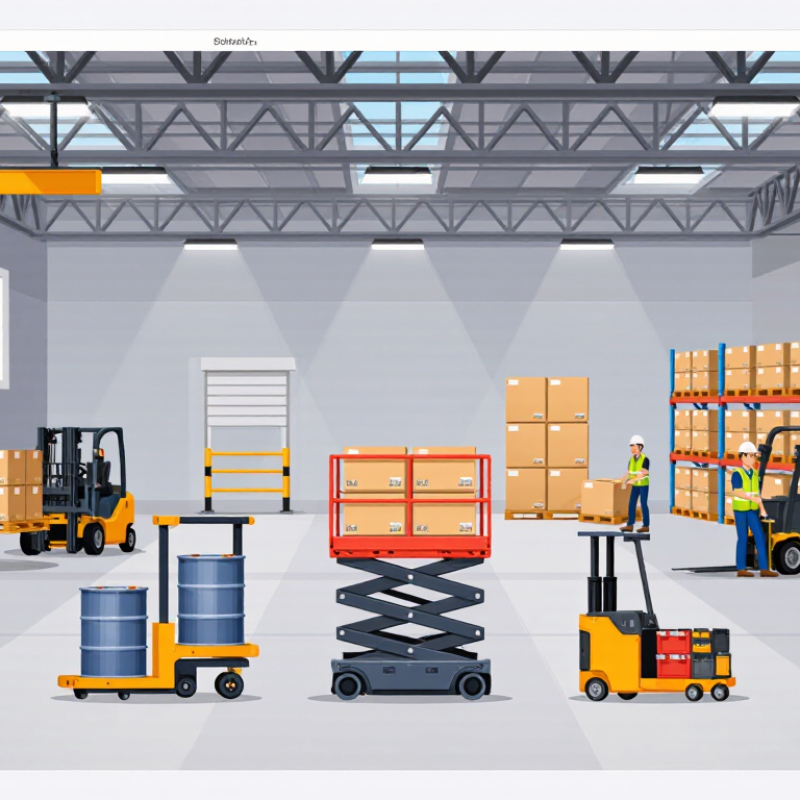
Manual handling lifting equipment uses simple mechanical advantages to reduce physical effort. Hand trucks and platform trolleys use wheels, axles, and balanced load positions. Lever hoists and chain blocks multiply pulling force through gears and pulley systems. Hydraulic stackers and scissor lift tables transfer hand-pump pressure into controlled vertical movement. Other useful tools include manual winches, drum handlers, lifting clamps, pallet positioners, and mobile cranes.
The need is measurable. The UK Health and Safety Executive recorded 543,000 workers with work-related musculoskeletal disorders in Great Britain during 2023/24. These disorders caused 7.8 million lost working days.
EU-OSHA’s 2022 OSH Pulse survey also found that three in five European workers reported musculoskeletal complaints. Equipment cannot remove every risk. It only changes how force reaches the body.
In practice, buyers should check rated capacity, load center, lifting height, wheel design, brake performance, and floor conditions.
A 500-kilogram stacker may perform poorly on cracked concrete or uneven ramps. Rated capacity is not a target. Keep loads low and centered, then move slowly around corners.
Operators need training, pre-use checks, and clear maintenance records. The weak point is often judgment.
A rushed worker may overload a trolley, ignore a damaged chain, or pull from an unstable angle. HSE guidance recommends risk assessment and suitable mechanical aids, but real workplaces remain imperfect. Controls need review after every near miss.
Key Types of Manual Lifting Equipment for Different Applications
Manual lifting equipment serves different jobs, from workshop positioning to construction maintenance. Hand chain hoists provide controlled vertical lifting where electricity is unavailable. They suit machinery installation, steelwork, and repair tasks. Lever hoists offer compact pulling power in tight spaces. Their short body works well for aligning pipes, frames, and structural parts.
Trolleys move suspended loads along an overhead beam. They are useful when a load must travel horizontally after lifting. Manual winches handle pulling and positioning over longer distances, especially in warehouses or outdoor work areas.
Hydraulic bottle jacks lift vehicles, beams, and equipment from low clearance points. Machinery skates and lifting dollies help move heavy loads across smooth floors.
I have found that buyers often focus on capacity alone. That is a mistake. Lift height, headroom, floor condition, load shape, and operating frequency matter just as much.
Tips:
Check the working load limit before every task. Inspect hooks, chains, wheels, and brakes for deformation or unusual wear. Keep the load balanced and centered. Never stand beneath a suspended load. Select equipment with a clear safety margin, not the exact load weight. Test the route first. A small obstruction can shift a heavy machine suddenly. Supplier instructions and local workplace rules should guide final selection.
How to Compare Capacity, Safety, Materials, and Operating Methods
Manual handling equipment should be compared by working load limit, not appearance. A hand chain hoist, lever hoist, come-along, and manual material lift suit controlled vertical or pulling tasks. Bottle jacks and toe jacks work well in restricted spaces. Hydraulic pallet trucks move loads across floors, while scissor lift tables raise them to safer working heights. Drum handlers and portable manual gantries serve specialized workplace needs.
Capacity needs practical checking. A 1,000-kilogram rating does not make every load safe. Confirm the load’s center of gravity, lifting points, travel distance, and floor condition. Allowance for shock loading matters. I have seen operators focus on maximum capacity while ignoring unstable pallets. That mistake is easy to repeat. A clear load chart helps.
Safety depends on brakes, guards, locking systems, stable bases, and visible inspection points. Steel frames resist impact, while corrosion-resistant finishes suit damp areas. Stainless components may help, but they can increase cost and weight. Operating methods also differ. Chain hoists require controlled pulling, jacks need firm contact points, and pallet trucks demand smooth steering. Check chains, hooks, wheels, welds, and hydraulic leaks before use. Short checks matter. Training should include real loads, not only classroom examples. Even a careful procedure can fail when equipment is poorly stored or rushed.
| No. | Equipment Type | Typical Rated Capacity | Typical Lift or Working Range | Primary Operating Method | Common Materials | Key Safety Features | Best-Suited Applications | Important Buying Checks |
|---|---|---|---|---|---|---|---|---|
| 1 | Manual Pallet Truck | 2,000–5,000 kg | Fork lift: approximately 75–200 mm | Hydraulic hand pump operated by a tiller handle; manual pushing or pulling | Welded steel frame, steel forks, polyurethane or nylon wheels | Lowering-speed control, parking brake on selected models, rounded fork tips, overload protection on many hydraulic units | Moving palletized loads over short distances on level warehouse floors | Check fork dimensions, steering effort, wheel material, turning radius, load-center rating, and floor condition |
| 2 | Manual Hydraulic Stacker | 500–2,000 kg | Typical lift height: 1,000–3,000 mm | Hand-pumped hydraulic lifting with manual travel | Powder-coated or painted carbon steel, steel mast and forks, nylon or polyurethane rollers | Load backrest, parking brakes, safety relief valve, mast limit protection, stabilizing legs on many designs | Short-distance pallet stacking and lifting at low to medium heights | Compare lift height, collapsed height, mast visibility, leg clearance, brake design, and rated capacity at maximum lift |
| 3 | Manual Chain Hoist | 0.5–20 tonnes | Common standard lift: 3–6 m; longer lifts may be available | Operator pulls a hand chain; a geared mechanism raises or lowers the load | Alloy steel load chain, forged steel hooks, steel gear case and load sheaves | Mechanical load brake, safety latches on hooks, calibrated load chain, overload protection on some models | Vertical lifting where a fixed beam, trolley, or rated anchor point is available | Verify working load limit, headroom, chain length, hook opening, brake holding ability, and anchor compatibility |
| 4 | Manual Lever Hoist | 0.25–9 tonnes | Typical standard lift: 1.5–3 m; compact units suit restricted headroom | Short lever handle operates a ratchet-and-pawl mechanism for lifting, pulling, or positioning | Alloy steel chain, forged steel hooks, hardened gears, stamped or cast steel housing | Automatic load brake, free-chain mechanism, hook safety latches, overload protection on some designs | Rigging, alignment, tensioning, and lifting in confined or irregular locations | Check minimum load, lever length, chain grade, pull force, lift capacity, and suitability for horizontal pulling |
| 5 | Manual Trolley with Hoist | 0.5–10 tonnes | Beam travel determined by runway length; hoist lift commonly 3–6 m | Hand chain lifts the load; a push or geared trolley travels along an I-beam or compatible runway | Steel trolley plates, steel wheels, alloy steel chain, forged steel hooks | Load brake, trolley end stops, hook latches, beam compatibility controls, mechanical travel restraint | Lifting and moving loads along fixed overhead beams without powered systems | Confirm beam flange width, beam profile, headroom, wheel load, runway end stops, and combined hoist-trolley rating |
| 6 | Manual Scissor Lift Table | 150–1,500 kg | Typical platform lift: 300–1,500 mm | Hydraulic foot pump or hand pump raises the scissor mechanism; manual wheels provide movement | Steel scissor arms and platform, painted or powder-coated frame, rubber or polyurethane casters | Mechanical maintenance bars, platform toe guards, overload valve, wheel brakes, anti-lowering controls | Positioning materials at ergonomic working heights and transferring loads over short distances | Check platform size, lowered height, lift cycles, wheel lock performance, load distribution, and pinch-point protection |
| 7 | Hydraulic Toe Jack | 5–50 tonnes | Toe lift commonly starts at approximately 20–75 mm; head lift is higher | Hand-operated hydraulic pump lifts machinery from a low clearance point | Heavy-duty steel body, hardened toe plate, hydraulic cylinder and steel pump components | Overload relief valve, controlled lowering, stable base, load-holding hydraulic system, retractable pump handle | Raising heavy machinery, installing skates, and positioning industrial equipment | Compare toe height, head height, base stability, side-loading limits, hydraulic leak protection, and contact-point design |
| 8 | Manual Drum Lifter or Drum Handler | 200–500 kg per drum | Lift height commonly 300–1,500 mm, depending on configuration | Manual hydraulic pump, clamp, hook, or cradle secures and raises a drum; travel is manual | Powder-coated steel frame, steel drum clamp or cradle, rubber-coated contact surfaces | Positive drum-retention clamp, locking mechanism, parking brake on selected models, controlled hydraulic lowering | Handling steel or plastic drums in warehouses, production areas, and loading zones | Check drum diameter, drum height, rim profile, clamp compatibility, center of gravity, wheel width, and retention method |
| 9 | Manual Material Lift | 100–450 kg | Typical lift height: 1,500–7,500 mm | Winch, hand crank, cable, or manual chain raises a platform or fork carriage | Aluminum or steel mast, steel carriage, wire rope or chain, steel stabilizer legs | Self-locking winch or brake, stabilizer legs, mast sections, load backrest, outriggers, and transport locks | Raising tools, ductwork, panels, signs, and light construction materials | Check capacity at maximum height, mast extension, base footprint, stabilizer requirements, cable condition, and wind limitations |
| 10 | Manual Vacuum Lifter | Typically 30–600 kg, depending on surface and model | Manual positioning; lift height depends on the supporting crane, hoist, or handling frame | Hand pump creates vacuum; operator attaches suction pads and moves the load with a rated lifting system | Aluminum or steel frame, rubber or nitrile suction seals, transparent vacuum indicators on many models | Vacuum reserve tank, visual vacuum gauge, non-return valves, audible or visual warning, secondary safety attachment on selected models | Handling smooth, non-porous glass, stone, metal sheets, and coated panels | Verify surface porosity, curvature, temperature, pad configuration, vacuum level, battery or manual pump status, and backup retention |
| Comparison note: Capacities shown are common market ranges rather than universal ratings. Always use the manufacturer’s rated working load limit, load-center specification, inspection requirements, and applicable local regulations. Do not exceed the lowest-rated component in the complete lifting system. | ||||||||
Top 10 Manual Handling Lifting Equipment Options for Global Buyers
Global buyers need practical manual handling lifting equipment for different loads, spaces, and working routines. Ten useful options include hand trucks, platform carts, pallet jacks, dollies, lever hoists, chain blocks, drum handlers, scissor lift tables, material lifts, and lifting clamps. Each option solves a different handling problem. Hand trucks suit cartons, while pallet jacks support loaded pallets. Lever hoists help position machinery in tight areas. A suitable choice depends on load weight, lifting height, floor condition, and available storage space.
Tips: Measure doorways, aisles, and turning areas before ordering. Check wheel materials for concrete, tiles, or uneven floors. Confirm rated capacity, spare-part access, and operating instructions. Ask suppliers for inspection records and clear maintenance guidance. A quick site photograph can prevent an expensive mismatch.
Reliable purchasing also requires more than comparing prices. Inspect welds, handles, brakes, chains, and lifting points before use. A heavy-duty unit can still create strain when its handle height feels wrong. This detail is often missed. Review pushing distance, operator posture, and frequency of use. Local safety requirements should guide final selection. Specifications may look precise, but real workplaces are rarely perfect. Leave room for correction.
How to Select, Use, Inspect, and Maintain Lifting Equipment Safely
Manual lifting equipment ranges from hand chain hoists and lever hoists to trolleys, gantries, jacks, winches, lifting clamps, beam clamps, skates, and drum lifters. Select equipment by load weight, centre of gravity, lifting height, travel distance, and working environment. Never choose only by rated capacity. A long, unstable load can exceed the equipment’s practical limit.
The ILO estimated 2.78 million work-related deaths and 374 million non-fatal injuries annually. Manual handling remains a serious risk. EU-OSHA reports that three in five workers experience work-related musculoskeletal symptoms. Before use, check identification plates, hooks, chains, brakes, wheels, stitching, and visible deformation. Test controls without a load first. Keep people away from suspended loads. Do not side-pull a hoist unless its design permits it. That mistake is common, even among experienced teams.
Tips: Store equipment dry and clean. Lubricate only according to the manufacturer’s instructions. Inspect before every shift, and record defects immediately. Competent persons should complete scheduled examinations, following applicable standards and site rules. ISO 9927-1 provides inspection guidance for cranes, while ISO 4309 addresses wire-rope care. Photographs help compare wear over time. However, a checklist cannot replace judgment; a nearly sound hook may still have dangerous throat opening or twisting. Stop using doubtful equipment. Repair decisions should be documented, not guessed.
Related Posts
-
How to Choose the Right Manual Handling Lifting Equipment for Safety?
-
10 Essential Tips for Using Manual Handling Equipment Safely and Effectively?
-
Top Material Lifting Equipment from China for Global Buyers?
-
Top 10 Manual Handling Lifting Equipment for Safe Work Practices?
-

2026 How to Choose Industrial Lifting Equipment for Your Needs?
-

How to Choose the Right Lifting Gear for Your Needs?