10 Best Material Handling Equipment Suppliers Worldwide
Material handling equipment is no longer limited to forklifts, pallet jacks, and warehouse conveyors. It now includes automated storage systems, mobile robots, sorting technology, warehouse software, and integrated safety solutions. These tools move products through factories, ports, distribution centers, and retail networks.
MHI’s 2024 Annual Industry Report estimated that the United States material handling equipment and systems market could reach about $206 billion in 2024. The report also projected continued growth through 2029, driven by labor shortages, e-commerce, and supply chain modernization. Deloitte’s 2024 manufacturing research similarly highlighted automation, digital visibility, and workforce productivity as major investment priorities. However, market figures vary by definition. Some reports include software and services, while others measure equipment alone. That difference matters.
“The need for supply chain resiliency and agility has never been more important,” said John Paxton, CEO of MHI, in industry commentary on modern supply chains. His observation reflects what warehouse managers see daily: crowded aisles, delayed replenishment, and workers walking long distances to retrieve one pallet.
The best supplier is not always the largest one. Equipment uptime, local service coverage, spare-parts access, integration skill, and operator training can matter more than a polished product catalogue. A cheaper system may become expensive when maintenance response takes three days. That is easy to overlook.
This guide examines 10 leading material handling equipment suppliers worldwide. It compares their technologies, market reach, service capabilities, and suitability for different operations. The ranking is not absolute. Warehouse needs differ, and even strong suppliers may not fit every facility.
Definition and Role of Material Handling Equipment Suppliers
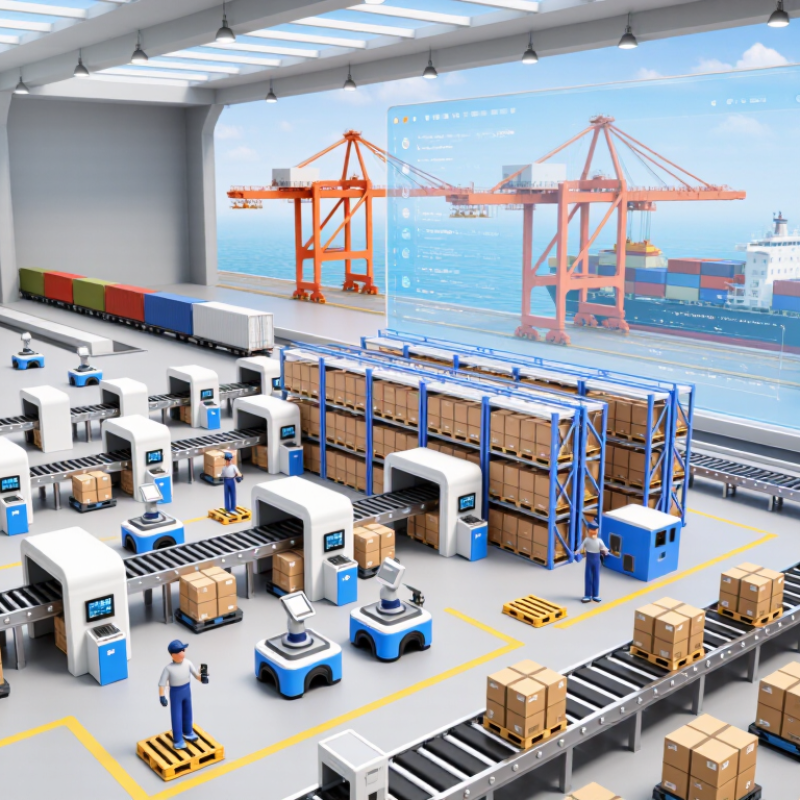
Material handling equipment suppliers provide the machines, systems, and technical support that move, store, protect, and control materials. Their role extends beyond selling forklifts, conveyors, pallet racking, or automated storage equipment. Reliable suppliers study warehouse layouts, load weights, traffic routes, labor conditions, and maintenance needs before recommending a solution. They also support installation, operator training, inspections, spare parts, and system upgrades.
Industry data shows why this role matters. The MHI 2024 Annual Industry Report reported that 55% of respondents planned to increase supply chain technology investment. The report also identified robotics, automation, and analytics as major areas of interest. These figures suggest that suppliers are becoming technology advisors, not simple equipment distributors. However, automation is not always the best answer. A poorly measured process can make an expensive system faster, but not better. That is an uncomfortable point worth reviewing.
Tips: Ask suppliers for documented performance data, service response times, safety records, and total ownership costs. Check whether their recommendations match your actual workflow. Request a site assessment before approving equipment. Compare energy use, training requirements, repair access, and future expansion needs. The right supplier should explain limitations clearly, not promise perfect results. In practical evaluations, small details matter: a narrow aisle, a damaged floor, or a poorly placed charging area can affect daily productivity.
Key Criteria for Comparing Global Equipment Suppliers
Choosing among the 10 best material handling equipment suppliers worldwide requires more than comparing prices. Experience shows that the cheapest quote may hide weak service, limited spare parts, or difficult installation. Examine equipment capacity, operating speed, energy use, and compatibility with existing warehouse systems. Ask for documented test results, safety certifications, and references from comparable facilities.
Supplier reliability matters during ordinary work and unexpected breakdowns. Review response times, technician training, warranty terms, and spare-parts availability in your region. A strong supplier should explain maintenance schedules in clear language, not rely on impressive claims. Check financial stability and production capacity, especially for large or multi-site projects. I once gave too much weight to technical specifications. That was a mistake. User feedback and service records often reveal more.
Tips: Request a site assessment before purchasing. Compare total ownership cost, not only the invoice. Ask who will train operators and how quickly support can arrive. Visit a working installation if possible. Look closely. A supplier’s communication during evaluation can predict future support, although it is not perfect evidence. Keep questions written and score each supplier consistently. The best choice balances performance, safety, service access, and honest technical advice.
Top Material Handling Equipment Suppliers by Market Strength
10 Best Material Handling Equipment Suppliers Worldwide
Top Material Handling Equipment Suppliers by Market Strength
Market strength is more than annual sales. It reflects installed equipment, service coverage, parts availability, and proven uptime. A supplier with warehouses across several regions can respond faster when a conveyor motor fails at midnight.
The strongest suppliers usually offer forklifts, automated storage systems, conveyors, lifting equipment, and warehouse software. Their engineering teams study load weights, aisle widths, floor conditions, and operator movement before recommending equipment. This practical experience reduces unsafe shortcuts and unnecessary replacement costs. Certification matters too. Independent testing, transparent maintenance records, and trained technicians provide stronger evidence than impressive advertising.
Financial stability also protects long-term projects. Large distribution centers may need equipment support for ten years or more. Suppliers with regional parts centers can shorten delays, especially during seasonal demand. However, market rankings are not perfectly objective. Public revenue figures may hide service quality, while a smaller regional supplier may understand local regulations better. That is an important limitation.
A serious comparison should examine response times, warranty terms, cybersecurity controls, energy use, and integration with existing systems. Ask for references from facilities with similar volumes. Visit one if possible. Real performance is often visible in small details, such as clean battery rooms, labeled spare parts, and technicians who explain failures clearly. These details can matter more than a polished demonstration.
Equipment Categories and Industries Served by Leading Suppliers
Leading material handling equipment suppliers serve more than warehouses. They support manufacturing plants, distribution centers, ports, construction sites, food facilities, and healthcare operations. Their portfolios often include forklifts, pallet trucks, reach trucks, conveyors, cranes, hoists, storage racks, and loading dock systems. Some also provide automated guided vehicles, autonomous mobile robots, and warehouse control software.
Different industries need different equipment combinations. Automotive plants may require heavy-duty cranes, line-side storage, and precise towing vehicles. E-commerce warehouses often depend on high-speed conveyors, automated storage systems, and ergonomic picking stations.
Food and beverage facilities need washable surfaces, corrosion-resistant parts, and reliable cold-room performance. Pharmaceutical sites usually prioritize traceability, controlled handling, and cleanable equipment. Ports and construction projects demand higher load capacities and stronger outdoor protection.
Practical evaluation should begin with the site, not the catalog. Measure aisle widths, floor conditions, ceiling height, travel distances, and peak workloads. Review battery life, charging space, maintenance access, operator training, and spare-parts availability. A cheap machine can become expensive during repeated downtime. Service quality matters.
No supplier fits every operation. Some solutions look impressive but perform poorly in dusty areas or uneven yards. I have found that projected capacity can also differ from daily reality. Teams should test equipment under realistic loads before committing. Safety features, documented inspections, and qualified technical support remain essential across every industry.
How to Select the Right Supplier for Your Business Needs
Choosing the right material handling equipment supplier requires more than comparing catalog prices. Start by defining your operating conditions, including load weights, aisle widths, floor surfaces, shift patterns, and temperature changes. A warehouse moving fragile cartons needs different support from a facility handling heavy pallets. Record these details before requesting proposals. Numbers reveal habits.
Ask each supplier for documented specifications, service response times, maintenance procedures, and spare parts availability. Check whether technicians can reach your site quickly and whether training is included. Speak with customers operating similar facilities, not only large showcase accounts. If possible, visit an installation and inspect equipment during a normal work shift. Real working conditions expose weaknesses that polished presentations hide.
Compare total ownership costs over several years. Include energy use, inspections, repairs, operator training, software updates, and expected downtime. A low purchase price can become expensive. Request a small trial when practical, with clear performance measures and acceptance dates. Contracts should define warranty limits, service responsibilities, delivery changes, and replacement procedures. I have seen purchasing teams trust promised delivery times without checking local support capacity. That assumption created avoidable delays. Leave room for honest disagreement during evaluation; a supplier who questions an unsuitable specification may be more reliable than one who agrees with everything. Perfect spreadsheets lie. Equipment still meets dust, noise, rushed operators, and imperfect maintenance.
Material Handling Equipment Supplier Selection Guide
Typical rated load capacities help buyers compare equipment categories when evaluating suppliers. Actual specifications vary by configuration, mast height, power system, and operating environment.
Use capacity as an initial screening factor, then confirm safety certifications, service coverage, spare-parts availability, total cost of ownership, delivery time, and compatibility with your warehouse processes.