
China Top Drum Lifter Manufacturers for Global Buyers

Choosing a drum lifter is a practical decision with direct consequences for handling speed, load stability, and operator confidence. For global buyers, the right supplier should explain rated capacity, drum compatibility, lifting method, and maintenance needs in clear terms. A steel drum on a crowded warehouse floor presents different demands from a plastic drum moving through a production line. Small details matter.

China’s manufacturers offer a broad range of drum lifter designs, from compact manual units to powered models for frequent handling. This guide examines how buyers can compare product specifications, construction quality, customization options, and after-sales support. Look closely at clamp contact points, wheel clearance, finish quality, and the legibility of load labels. Those details are easy to overlook in a catalog. They are harder to ignore during daily use.

A credible expert quotation needs a verifiable source, and none was provided, so I will not attribute invented words to a named specialist. That restraint matters. A useful buyer’s principle remains simple: match the equipment to the drum, the task, and the working environment. This overview helps global buyers assess Chinese suppliers with practical questions and realistic expectations—while recognizing that no product is right for every site.
China Top Drum Lifter Manufacturers for Global Buyers

What Drum Lifters Are and How They Work

A drum lifter is a mechanical attachment that raises and moves drums with less manual handling. Depending on its design, it grips the drum rim, body, or a supporting pallet. The attachment connects to a forklift or hoist, then lifts the load using a clamp, cradle, or lifting hook. Some models also tilt or rotate drums for controlled pouring. The load stays supported. Operators should match the lifter to the drum’s material, shape, weight, and rated capacity. A steel drum and a plastic drum may need different gripping methods.

The US Bureau of Labor Statistics reported 2.6 million nonfatal workplace injuries and illnesses in private industry in 2023, in its Survey of Occupational Injuries and Illnesses. This figure is not specific to drum handling, but it underscores why controlled lifting matters. Before use, check that the clamp is fully engaged and the load is balanced. Keep the drum low while moving, and avoid sudden turns that can shift its center of gravity. A practical detail is easy to miss: drum rims and dimensions can vary, even when containers look alike. Fit is not always perfect. A brief inspection helps catch that mismatch before lifting.

Common Drum Sizes: Capacity in US Gallons and Liters

Drum lifters grip a drum to lift and move it using compatible handling equipment. Choose a lifter for the drum’s type, rim or gripping style, and gross weight; drum volume alone does not determine the required load rating. Liter values shown are approximate conversions from US gallons.

Common Types of Drum Lifters Made in China

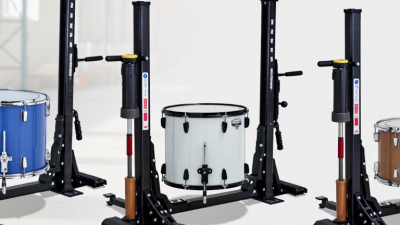
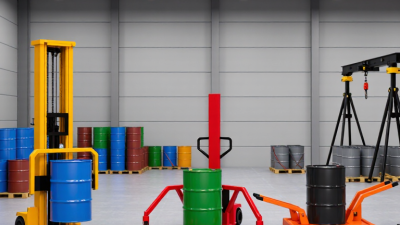
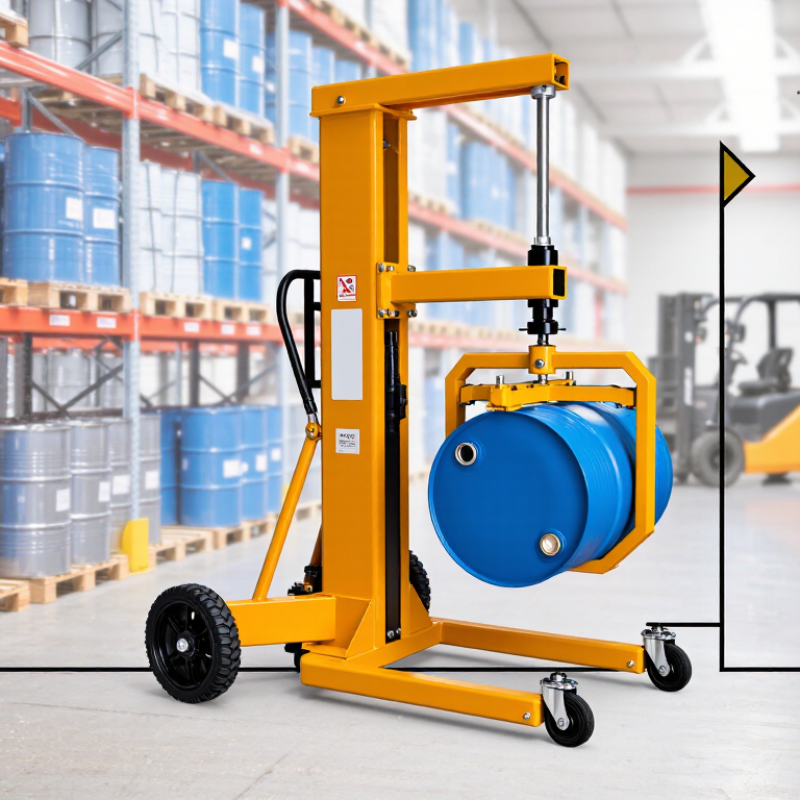
Drum lifters made in China commonly include manual hydraulic lifters, forklift-mounted attachments, and drum clamps. Each suits a different handling task. A manual hydraulic model typically uses a hand pump to raise a drum from floor level, then rolls it on small casters. It can work well in a compact storeroom. Check turning space before choosing one.

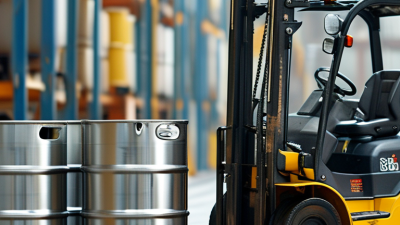
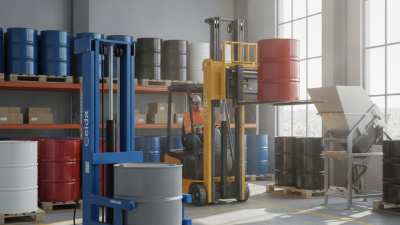
Forklift attachments lift and move drums over longer distances or between work areas. Some grip the drum rim; others use a cradle or adjustable arms. Clamp-style lifters can hold one or more drums, depending on their design and rated capacity. For steel drums, rim shape matters. Plastic drums may need a different contact surface to avoid slipping or deformation. Small details count.

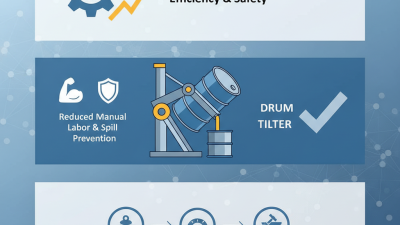
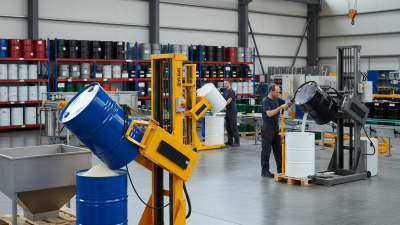
Some models rotate drums for controlled pouring, while drum stackers raise them onto shelves or pallets. These functions are not interchangeable. A buyer should confirm drum diameter, weight, lifting height, and whether the unit handles open-top or closed-head drums. Ask for rated-load information and practical test records, not just a headline capacity. Selection is rarely tidy. I would also check the floor surface and turning clearance; a suitable lifter can still feel awkward in a cramped aisle.

China Top Drum Lifter Manufacturers for Global Buyers - Common Types of Drum Lifters Made in China
Drum Lifter Type Typical Handling Method Suitable Drum Position Common Applications Key Checks for Buyers
Vertical Drum Lifter Attaches to a hoist or crane and grips the drum rim or body with a purpose-designed clamp. Upright, vertical lifting Lifting steel drums onto platforms, pallets, or production lines. Confirm drum material, rim design, rated capacity, and whether the clamp is suitable for the specific drum.
Horizontal Drum Lifter Uses a clamp or sling attachment with a hoist or crane to grip the drum securely. Horizontal, side lifting Moving drums stored or transported on their sides. Check the permitted drum diameter, surface condition, lifting angle, and load rating.
Forklift-Mounted Drum Grabber Fits onto forklift forks and uses a mechanical or automatic gripping mechanism. Usually upright; model dependent Moving drums around warehouses, loading areas, and manufacturing facilities. Verify fork dimensions, drum compatibility, attachment weight, and the forklift’s remaining rated capacity.
Forklift Drum Rotator or Tilter Forklift attachment grips a drum and rotates or tilts it; operation may be manual, hydraulic, or powered. Upright during pickup; tilts or rotates during discharge Positioning or emptying drums into process equipment or containers. Check rotation range, control method, drum-gripping design, power requirements, and forklift capacity.
Manual Drum Truck A hand-operated wheeled frame supports and secures the drum for short-distance movement. Typically upright or slightly tilted, depending on design Moving individual drums across smooth warehouse or workshop floors. Review wheel type, floor conditions, drum diameter, braking or restraint features, and rated load.
Drum Stacker Manual, semi-electric, or electric lifting unit raises a secured drum to a set height. Usually upright Lifting drums onto shelves, workstations, or transport platforms. Confirm lift height, aisle width, drum size, power supply, load rating, and required operator controls.
Specifications and compatibility vary by model. Confirm rated capacity, drum dimensions, material, attachment interface, and applicable safety requirements with the supplier before purchase.

Key Features and Standards for Global Buyers

A drum lifter should match the drum, the handling route, and the working environment. Buyers should confirm drum diameter, rim shape, and gross weight before comparing models. A clamp made for a steel drum may not grip a plastic drum securely. Small differences matter.

Check the rated capacity and the conditions behind it. Capacity may change with the lifting method, attachment position, or drum orientation. Ask for test records, clear operating instructions, and inspection guidance. For powered equipment, review controls and emergency stopping features. For manual models, examine the handle, locking parts, and contact surfaces for sharp edges or pinch points. Test it.

Materials and finishes also deserve attention. Corrosion-resistant parts can help in damp work areas, while smooth contact pads may reduce surface damage. Request drawings and measurements, not just product photos. A specification sheet can look complete yet omit a key detail, such as the required rim profile. That happens. Standards and certification requirements vary by destination and application, so buyers should verify current local requirements with qualified safety personnel. A practical supplier should explain test methods, spare-part availability, and maintenance intervals without making unsupported safety claims.

Leading China Drum Lifter Manufacturers and Their Product Ranges

China’s drum lifter manufacturers offer equipment for moving, raising, and positioning steel or plastic drums in warehouses and production areas. Product ranges often include manual hydraulic models, counterbalanced lifters, and powered units for frequent handling. Capacity, lift height, and drum compatibility vary by design. Check the rated load, not just the product photograph.

Some models grip drums with a rim clamp, while others use a cradle or adjustable jaws. More specialized units can tilt or rotate a drum for controlled dispensing. Electric versions may reduce operator effort during repeated lifts, but they need charging and routine checks. Simple can be better.

For global buyers, useful supplier questions concern drum diameter, material, full-load stability, and replacement parts. Ask for dimensioned drawings and test information for the exact configuration being quoted. A catalog may group several variants under one model name; that can make comparisons misleading. Confirm whether listed capacity applies during lifting, tilting, or both, and request a demonstration video when practical. Small details matter. A suitable lifter should fit the working aisle and the actual drum, not merely meet a headline capacity.

How to Evaluate Suppliers, Quality, and After-Sales Support

For global buyers, a drum lifter should match the drums, floor conditions, and handling routine at the worksite. Ask suppliers to identify the rated load, compatible drum dimensions, and lifting method for the exact model. Then compare those details with your actual drums. A mismatch can cause slipping or awkward positioning. Small details matter.

Review the product drawings, operating instructions, inspection records, and available test documentation. Check welds, locking parts, wheels, and contact surfaces for visible damage or uneven finishes. If possible, request a demonstration with a drum of similar size and weight. Watch how the lifter grips, raises, and lowers the load. A catalogue photo cannot show everything. It is easy to overlook how a narrow aisle or uneven floor changes daily use, so assess the equipment in realistic conditions.

After-sales support deserves equal scrutiny. Ask how quickly the supplier can answer technical questions, which wear parts are stocked, and how warranty claims are handled. Confirm that manuals and maintenance guidance are clear for operators. Request response-time expectations in writing. No supplier can prevent every delay, and promises may sound better than the service delivered. Compare references carefully, and keep written records of specifications, agreed support, and any changes before placing an order.