What Is the Best Material Handling Lift in China?

Choosing the best material handling lift in China starts with the work it must perform, not the model name on a brochure. A lift moving boxed components across a smooth factory floor faces different demands from one serving a mezzanine or loading dock. Measure the heaviest load, lifting height, travel path, daily cycles, and available floor space. Also check whether local service teams can supply parts and perform maintenance promptly.

A useful engineering principle is: “Match the lift to the load, route, and duty cycle—not just the purchase price.” This is an editorially composed guideline, not a verified quotation from a named expert. No source material or expert citation was supplied, so assigning it to a real person would risk misleading readers. For an E-E-A-T-ready article, add a named engineer’s quotation only after confirming its wording and source.

This guide compares common options, including scissor lifts, vertical platform lifts, and goods lifts. It considers load capacity, platform dimensions, controls, safety features, installation needs, and after-sales support. A compact lift may fit a narrow aisle, yet prove unsuitable when pallets need wider access. A powerful unit can also be the wrong choice if the building lacks space for its installation. Small details matter. We will weigh practical trade-offs for Chinese industrial settings and explain which specifications buyers should verify before requesting a quotation. The answer depends on the task, and sometimes the first estimate needs revising.
What Is the Best Material Handling Lift in China?

Types of Material Handling Lifts Available in China

What Is the Best Material Handling Lift in China?

Types of Material Handling Lifts Available in China

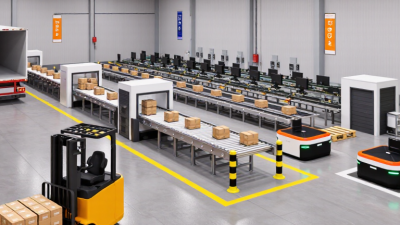
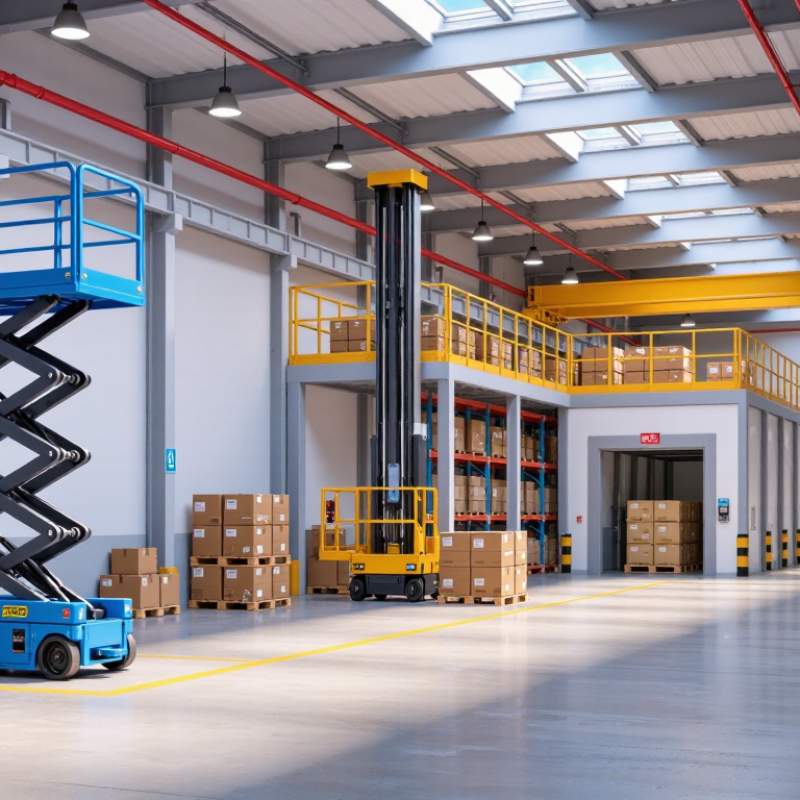
China’s material handling market offers several lift types for different tasks. Stationary goods lifts move pallets or cartons between fixed floor levels. Scissor lift tables raise loads to a comfortable working height beside a packing line. Mobile scissor lifts can serve changing work areas, while vertical mast lifts fit narrow aisles. For elevated access around obstacles, boom lifts may be more suitable. The right choice depends on the job, not the lift’s maximum height alone.

Consider the load’s weight, size, travel distance, and frequency of use. A warehouse moving heavy goods between floors may need an enclosed goods lift with suitable landing access. A workshop handling small batches may work better with a compact lift table. Check the floor space, door openings, power supply, and available maintenance support before comparing models. Small details matter. Rated capacity should account for the load and any attachments, not just the product label. I would also review the site layout twice; measurements are easy to overlook.

Tips: Ask suppliers for clear capacity and platform-size specifications. Confirm whether the lift is intended for goods, people, or both; these uses are not interchangeable. Request operating and maintenance instructions, and check that local technicians can service the equipment. A low price can look appealing, but downtime has a cost too.

How Material Handling Lifts Are Designed and Used

What Is the Best Material Handling Lift in China?

How Material Handling Lifts Are Designed and Used

A material handling lift should match the load, travel height, aisle width, and floor conditions. In a Chinese warehouse, that may mean lifting cartons between mezzanines or moving heavy components beside production lines. Engineers assess rated capacity, platform size, lifting speed, and duty cycle before selecting a configuration. Guardrails, emergency stops, limit switches, and stable bases help address foreseeable hazards. Small details matter: a platform that clears a doorway by only a few centimeters can slow every shift.

Design is only part of the job. Operators need clear loading limits, routine inspections, and practical training for the actual work area. OSHA’s powered industrial truck guidance cites estimates of about 85 fatalities and 34,900 serious injuries each year in the United States. These figures concern powered industrial trucks, not lifts alone, but they underline why movement, visibility, and operator procedures deserve attention. A frequent compromise is choosing speed over access. It can look efficient on paper, then create awkward loading in real use.

Tips: Measure the narrowest aisle and lowest overhead point before specifying a lift. Test the load’s real center of gravity, not just its stated weight. Keep inspection records. Recheck the design when the workflow changes; this step is easy to miss.

Key Factors for Comparing Lift Performance and Safety

Choosing the best material handling lift in China starts with the worksite, not a headline capacity figure. Compare the rated load with the heaviest pallet, attachment, and any off-center weight. Then check lift height, aisle width, turning space, and floor condition. A lift that handles a load on smooth concrete may behave differently on a sloped or uneven surface. Test it loaded.

Performance is more than speed. Ask how smoothly the platform rises and lowers, how precisely the operator can position a load, and whether the lift remains stable at working height. Review the load chart and operating limits for the exact configuration. A small change in attachment or load position can matter. Fast travel is useful, but not if it makes delicate placement difficult.

Safety details deserve hands-on checks. Inspect guardrails, access points, brakes, emergency-stop controls, and visibility from the operating position. Try the controls while wearing normal work gloves; awkward buttons are easy to overlook in a brochure. Consider battery or power needs, routine inspection access, and local service response. No specification sheet tells the whole story. A site trial can reveal vibration, blind spots, or controls that feel unintuitive, even when the numbers look right. I would leave time to reassess after operators use the lift in real shifts.

How to Select a Lift for Different Industrial Applications

Choosing a material handling lift starts with the job, not the maximum capacity listed on a specification sheet. Measure the heaviest load, its footprint, and the height it must reach. Include pallets, containers, and any fixtures in the total weight. Measure twice. A narrow platform may safely carry the load but leave too little room to position it.

For frequent transfers between fixed floors, a goods lift may suit the route better than a mobile platform. In tight production aisles, a compact vertical lift can reduce turning and staging space. Scissor lifts offer a broad work surface, but their size and floor-loading demands may not fit every site. Check ceiling clearance, doorway width, floor condition, and available power before choosing. These details are easy to overlook.

Also consider how often the lift will run. A unit used throughout a shift needs suitable duty ratings and accessible maintenance points; occasional use may call for a simpler configuration. In dusty, wet, or temperature-sensitive areas, confirm that the lift’s protection and controls match the environment. Ask for rated-load and platform data, and compare them with the actual task. Specifications help, but they do not reveal every awkward corner or uneven floor. A site survey can expose those limits before installation.

What Is the Best Material Handling Lift in China? - How to Select a Lift for Different Industrial Applications

Typical ranges are indicative only and vary with lift design, load dimensions, duty cycle, and site conditions. Confirm the final specification with a qualified supplier and applicable local requirements.
Lift Type Suitable Applications Typical Capacity Typical Vertical Travel Key Selection Considerations Important Limitations
Stationary scissor lift table Production lines, machine loading, pallet transfer, and ergonomic work positioning between nearby elevations. About 500–10,000 kg, depending on platform size and design. About 0.8–4 m for many industrial applications. Check rated load, platform dimensions, lowered height, pit requirements, travel, cycle frequency, and guarding. Best for relatively short vertical travel; the scissor mechanism needs suitable clearance and guarding.
Vertical reciprocating conveyor (VRC) Moving pallets, bins, or materials between warehouse or production floors. Often about 500–5,000 kg; engineered systems can differ. Often about 2–10 m, with the number of stops and building layout affecting design. Assess floor openings, loading method, transfer direction, enclosure, interlocks, and traffic flow at each level. A material-transfer machine, not a passenger elevator; personnel access and use must follow the equipment design and applicable rules.
Enclosed goods lift Dedicated movement of goods between floors in factories, commercial facilities, and storage buildings. Commonly about 500–5,000 kg; capacity is project-specific. Often about 2–12 m for low-rise goods movement. Specify clear car size, door openings, stops, loading equipment, traffic demand, and building interfaces. Classification, installation, inspection, and whether people may ride depend on the lift type and applicable local requirements.
Mobile hydraulic lift table Intermittent lifting, order picking, workshop tasks, and transferring loads at different workstations. Often about 150–2,000 kg. Generally about 0.5–1.8 m. Consider load stability, wheel and brake design, aisle width, floor condition, battery or manual operation, and duty cycle. Mobility and capacity are limited by floor condition and load distribution; secure the load and use on suitable surfaces.
Dock lift Loading and unloading where the dock, vehicle bed, or yard is at a different height. Often about 2,000–10,000 kg, subject to vehicle and load requirements. Typically about 0.8–2 m. Match the platform to vehicle dimensions, load wheel loads, height range, weather exposure, and approach conditions. Requires suitable edge protection, vehicle restraint and traffic controls, and a stable installation surface.
Low-profile pallet lift Pallet positioning at conveyors, packaging lines, and palletizing or depalletizing stations. Often about 500–3,000 kg. Usually about 0.5–1.5 m. Check pallet type, fork or pallet-truck access, platform opening, conveyor integration, and required positioning accuracy. Pit depth, platform opening, and pallet dimensions can constrain retrofit options.
How to choose: Start with the maximum load and its dimensions, required lift height, number of stops, operating frequency, loading method, available floor space, and site conditions. Select a lift designed for the application, then verify safety provisions, installation requirements, maintenance access, and applicable local regulations.

Chinese Standards, Manufacturers, and After-Sales Support

Choosing a material handling lift in China requires more than comparing rated capacity and price. Buyers should verify which national standards apply to the equipment category. For crane-type equipment, GB/T 3811-2008 covers crane design, while GB 6067.1-2010 sets general safety rules for lifting appliances. Request current conformity documents, load-test records, risk assessments, and traceable component certificates. Then inspect the unit in person. Check welds, emergency stops, controls, and braking under documented test conditions. Standards are only a baseline. The ILO’s 2023 global estimates reported 2.93 million work-related deaths and 395 million non-fatal occupational injuries annually. These figures are not lift-specific, but they underline why safety evidence matters.

Manufacturer selection also depends on service after installation. Ask about technician coverage, spare-parts availability, response times, and support during commissioning. A written service commitment is more useful than a vague promise. Request references from facilities using similar loads and operating shifts. If possible, speak with maintenance staff, not only sales teams. A polished factory visit can still leave unanswered questions about long-term parts supply. That concern is worth recording before purchase. Compare inspection procedures, training materials, and maintenance schedules alongside price. A lift that fits the site but cannot be serviced promptly may cause costly downtime.