What Are Material Handling Solutions and Their Types?

Material handling solutions move, store, protect, and control materials across a facility. They connect receiving docks, production lines, storage areas, and shipping stations. A well-planned system can reduce unnecessary travel and keep goods flowing. But equipment alone does not guarantee better performance.

Taiichi Ohno, the Toyota production engineer associated with the Toyota Production System, wrote: “All we are doing is looking at the time line, from the moment the customer gives us an order to the point when we collect the cash. And we are reducing that time line by removing the non-value-added wastes.” His focus on flow offers a useful lens for evaluating material handling solutions. A forklift, conveyor, pallet rack, or automated guided vehicle should solve a defined movement or storage problem—not simply look modern.

This guide introduces common solution types, from manual carts and shelving to automated storage and retrieval systems. It also considers how load size, travel distance, order volume, available space, and operator needs shape equipment choices. A conveyor may speed up a steady process, yet restrict flexibility when product mixes change. That trade-off matters. Real facilities are rarely as tidy as diagrams suggest; a blocked aisle or awkward handoff can expose gaps in even a polished plan. The sections ahead explain the main options and the practical questions buyers should ask before investing.
What Are Material Handling Solutions and Their Types?

What Material Handling Solutions Include

What Material Handling Solutions Include

Material handling solutions cover the equipment, workflows, and controls used to move, store, protect, and track materials. They can serve a small stockroom or a busy production floor. The right mix depends on load size, travel distance, handling frequency, and available space.

Equipment may include carts, pallet jacks, conveyors, hoists, racks, and automated storage systems. A worker moving cartons between two nearby stations may need only a well-sized cart. A facility shifting heavy pallets across several zones may need powered equipment and marked travel routes. Software can also help track inventory, schedule movements, and flag low stock. It supports the process; it does not fix a confusing layout.

Safety belongs in the solution.

Clear aisles, stable shelving, suitable lifting methods, and routine equipment checks can reduce preventable strain and collisions. Small details matter. A rack that looks spacious on a plan may leave too little room for turning in practice. Teams should observe actual tasks, ask workers where delays occur, and test changes before expanding them. Not every site needs automation. Sometimes, a better storage position or a clearer route makes the larger difference.

How Material Handling Supports the Movement of Goods

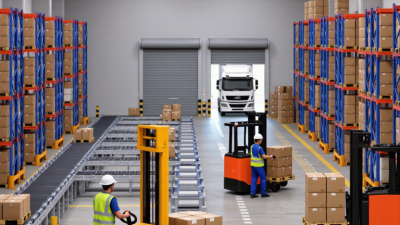
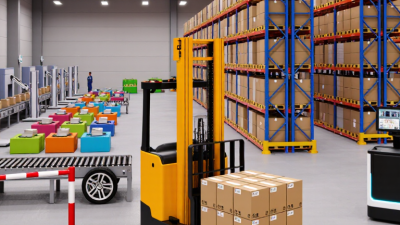
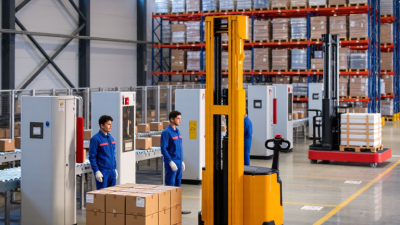
Material handling solutions keep goods moving between receiving docks, storage areas, production lines, and shipping bays. They include manual equipment, such as hand trucks and pallet jacks, as well as conveyors, forklifts, automated guided vehicles, and warehouse control systems. Each option serves a different flow. A hand truck may suit a short trip with a few cartons; a conveyor can move repeated loads along a fixed route. Good planning connects these steps and reduces unnecessary lifting, waiting, and backtracking.

Movement is not just about speed. Poorly placed stock can force workers to carry heavy items across busy aisles, while a badly configured conveyor may create bottlenecks. MHI’s 2024 Annual Industry Report found that 55% of surveyed organizations planned to increase investment in supply chain technology. That figure signals interest, not guaranteed results. Equipment still needs to match load size, travel distance, floor conditions, and staff training. A small operational detail can matter: a clear turning space near a packing bench may prevent repeated delays.

Tips: Map one real order from arrival to dispatch before choosing equipment. Note where workers pause, lift, or change direction. Keep heavier items near waist height, and review near misses with the team. Simple checks help. Automation can help too, but it does not fix a poor process by itself.

The Main Types of Material Handling Solutions

Material handling solutions move, store, protect, and track goods inside facilities. Their main types range from manual equipment to automated systems. Hand trucks, carts, and pallet jacks suit short moves or low-volume tasks. Simple, but tiring. Racks, shelving, and bins keep stock accessible and organized. Conveyors and sorters support steady movement between workstations, while cranes and hoists lift heavy loads. Each type addresses a different constraint: distance, weight, space, or throughput.

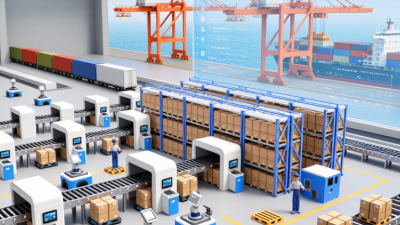
Automated options include guided vehicles, autonomous mobile robots, and automated storage and retrieval systems. They can reduce repetitive travel, but need suitable layouts, reliable data, and ongoing maintenance. The 2024 MHI Annual Industry Report, produced with Deloitte, found that

55% of surveyed organizations were increasing supply-chain technology investment; 88% expected investment to rise over five years.

That points to growing interest, not a guarantee that automation suits every facility. A narrow aisle or frequently changing product mix may favor flexible equipment instead. One planning gap is often overlooked: equipment that moves goods faster can still create bottlenecks at packing or receiving. Match the solution to measured travel distances, peak volumes, load weights, and workers’ ergonomic needs.

I would question any proposal based on average volume alone; peak days expose the weak spots.

Where Different Material Handling Solutions Are Used

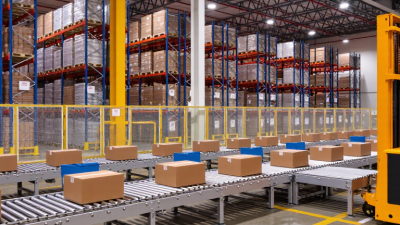
Material handling solutions are chosen according to the work, space, and goods involved. In a distribution warehouse, conveyors move cartons between packing stations, while pallet jacks or forklifts handle heavier loads. High-bay storage may use automated cranes to retrieve pallets from narrow aisles. These systems can save travel time, but only when the building layout and daily volume support them.

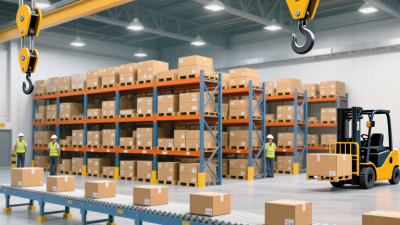
Factories often combine equipment. Overhead hoists move engines or metal parts above busy floor areas; roller conveyors carry components between assembly steps. In hospitals, carts help staff move linens, meals, and supplies through corridors without repeated lifting. Small workshops may need only sturdy shelving and hand trucks. More machinery is not always better. Poorly placed equipment can create bottlenecks or block access.

Tips: Watch one full shift before selecting a system. Note where goods wait, turn, or get lifted by hand. Measure aisle widths and load sizes, then check whether staff can use the equipment safely. A simple trial can reveal problems that a floor plan misses. Expect to revise the layout; real workflows rarely match the first sketch.

What Are Material Handling Solutions and Their Types? — Where Different Material Handling Solutions Are Used

Solution Type What It Does Typical Equipment Where It Is Commonly Used Key Selection Considerations
Storage and retrieval systems Stores products or materials and makes them available for later retrieval. Shelving, pallet racking, mezzanines, automated storage and retrieval systems Warehouses, distribution centers, manufacturing facilities, and parts stores Inventory size, item dimensions, storage density, access frequency, and building height
Conveying systems Moves items along a fixed route between work areas or process steps. Belt, roller, chain, screw, and overhead conveyors Packaging lines, assembly plants, parcel operations, and bulk-processing facilities Load shape and weight, route layout, throughput, accumulation needs, and operating environment
Industrial trucks Transports, lifts, or positions loads over flexible routes. Forklifts, pallet jacks, reach trucks, and order pickers Loading docks, warehouses, factory floors, and retail stockrooms Load capacity, lift height, aisle width, floor conditions, and operator training
Automated guided vehicles and mobile robots Move materials along planned or dynamically selected routes with limited manual driving. Automated guided vehicles (AGVs) and autonomous mobile robots (AMRs) Factories and warehouses with recurring transport tasks, such as moving pallets, totes, or components Traffic patterns, payload, navigation method, charging, safety controls, and integration with workflows
Cranes and hoists Lift and position heavy or bulky loads, often above floor-level obstacles. Overhead cranes, gantry cranes, jib cranes, and hoists Steel fabrication, machine shops, maintenance bays, construction sites, and ports Rated load, lift height, span, duty cycle, installation structure, and inspection requirements
Bulk material handling Moves, feeds, or stores loose materials in large quantities. Hoppers, feeders, screw conveyors, bucket elevators, and storage silos Mining, agriculture, cement production, food processing, and power generation Material flow properties, dust control, moisture, abrasion, capacity, and containment
Packaging and unit-load handling Groups, protects, or stabilizes items for storage, transport, or downstream handling. Palletizers, depalletizers, stretch wrappers, and case packers Manufacturing lines, fulfillment centers, food and beverage operations, and shipping areas Package dimensions, product fragility, line speed, pallet patterns, and shipping requirements
Manual handling aids Helps workers lift, position, or move items with reduced physical effort. Lift tables, carts, hand trucks, and vacuum or mechanical lifting devices Workstations, workshops, stores, receiving areas, and low-volume operations Load weight, lift frequency, reach distance, ergonomics, and available workspace

Note: Material handling solutions may be manual, mechanized, or automated. Facilities often combine several types to move materials safely and efficiently from receiving through storage, production, and shipping.

Factors That Shape the Choice of a Material Handling Solution

The right material handling solution depends on what moves, how often it moves, and where it travels. A fragile carton needs different support from a heavy steel component. Measure typical and peak loads, including awkward shapes and occasional oversized items. Small details matter.

The building itself can rule out otherwise suitable equipment. Measure aisle widths, doorways, floor capacity, and overhead clearance before comparing options. A conveyor may speed up a steady flow, while carts or lift trucks can better serve changing routes. Walk the actual path. Note tight turns, shared walkways, and places where workers repeatedly lift or reach. These observations often reveal bottlenecks that a layout drawing misses.

Volume and labor needs matter, but so do maintenance and future changes. A highly automated system may perform well at stable, high throughput, yet require specialist support and planned downtime. For mixed orders or seasonal peaks, flexible equipment may be easier to adapt. People matter, too. Check visibility, controls, training needs, and whether operators can work without awkward movements. Compare options using measured cycle times and a small trial where practical. A trial can still mislead if it excludes peak demand or unusual loads. Revisit the assumptions before committing.