Blog
How to Choose Manual Handling Lifting Equipment?
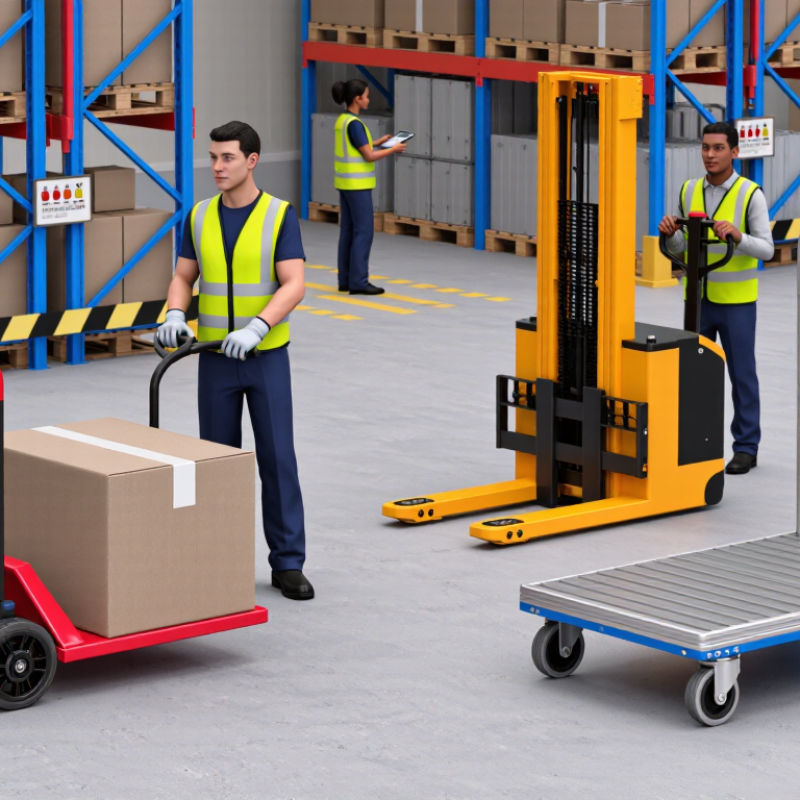
Choosing manual handling lifting equipment is not simply a matter of selecting the strongest device. The right choice must match the load, movement, workplace, and operator. A two-wheeled sack truck may suit a smooth warehouse floor, while a powered stacker could be safer for repeated lifting to shoulder height. Small details matter. Handle height matters. Castor condition matters. So does the load’s centre of gravity.
Dr. Thomas R. Waters, a leading ergonomist and contributor to the Revised NIOSH Lifting Equation, stated, “The best way to prevent back injuries is to avoid lifting whenever possible.” That principle should guide every equipment decision. Manual handling lifting equipment should reduce force, awkward posture, twisting, and unnecessary carrying. It should also have a clearly marked safe working load, stable brakes, suitable controls, and an inspection history that workers can understand. A device may look robust yet perform poorly on uneven flooring. That mistake is easy to make.
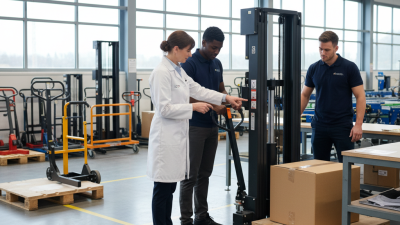
Experience often reveals what a catalogue cannot. Watch how workers actually use the equipment during a busy shift. Do they overreach? Do they pull loads around corners? Do they leave a trolley parked on a slope? These observations can expose risks before an incident occurs. Still, no choice is perfect. Operators may improvise, maintenance may be delayed, and the workplace may change. Therefore, selecting the equipment is only part of the process. Regular checks, practical training, and honest review keep the solution reliable. The safest answer is sometimes less lifting, not better lifting.
Define the Load, Lifting Height, and Handling Requirements
How to Choose Manual Handling Lifting Equipment?
Define the load before choosing equipment. Record its weight, dimensions, shape, and centre of gravity. A 60-kilogram box behaves differently from a 60-kilogram steel coil. Check whether the load is stable, sealed, hot, sharp, or difficult to grip. The equipment’s rated capacity must exceed the real load, not merely match it. Also consider uneven floors, turning space, and loading frequency. Small details matter.
Height changes the selection. Measure the lowest pickup point and the highest placement point. A low-level trolley may suit horizontal movement, but a stacker or hoist may be safer for shelving. Confirm the required lifting height under the actual load. Do not rely only on an empty equipment test. The mast, forks, sling, or platform may respond differently when loaded.
Handling requirements deserve equal attention. Ask how often the task occurs, how far the load travels, and whether one or two operators are needed. HSE’s Work-related Musculoskeletal Disorders in Great Britain report estimated 543,000 affected workers and 7.8 million lost working days in 2023/24. Its figures show why repeated lifting deserves serious assessment. In practice, a tidy calculation can still miss a narrow doorway or poor visibility. Measure the route. Test the controls. Then review the choice with trained users, because the first answer is not always the best one.
Assess Workplace Conditions and Available Operating Space
Choosing manual handling lifting equipment starts with the workplace, not the catalogue. Measure doorways, aisles, turning areas, floor gradients, and overhead clearance. A lifting device may fit the load but fail at the first corner. Check floor strength, surface damage, moisture, and nearby pedestrian traffic. Uneven flooring can destabilize wheeled equipment quickly.
The UK Health and Safety Executive reported 511,000 workers with work-related musculoskeletal disorders in 2023/24, causing 7.3 million lost working days. These figures show why space assessment matters. The NIOSH Revised Lifting Equation uses 23 kg as a recommended limit only under ideal conditions. It is not a universal safe lifting allowance. Reduce capacity expectations when loads are distant, unstable, lifted frequently, or handled from awkward heights. A tidy checklist can still miss reality. I have seen equipment selected correctly on paper, then blocked by a narrow doorway.
Tips: Walk the full route with a measuring tape. Mark the load’s centre of gravity. Record the smallest turning radius. Test the equipment unloaded and loaded. Leave clear escape space. Ask operators to demonstrate the task, because their practical experience often reveals problems drawings hide. Recheck conditions after shelving, pallets, or temporary barriers change.
Sources: UK HSE, Work-related musculoskeletal disorders statistics in Great Britain, 2023/24; NIOSH, Applications Manual for the Revised NIOSH Lifting Equation.
Compare Manual Lifting Equipment Types and Mechanisms
Choosing manual lifting equipment starts with understanding how each mechanism transfers human effort into controlled movement. A hand chain hoist uses gears to multiply pulling force and raise loads vertically. It suits workshops, maintenance areas, and occasional lifting. A lever hoist uses a ratchet and lever system. It can pull, position, or tension loads in tighter spaces. However, its short handle movement may require repeated strokes.
A screw jack converts turning motion into vertical lifting through a threaded screw. It offers precise positioning, but lifting speed remains slow. A hydraulic hand pump jack uses fluid pressure to raise heavier objects with less physical effort. It can feel powerful, yet leaks, unstable bases, or uneven floors create serious risks. Manual winches use a drum, handle, or gear train to pull loads horizontally. They are useful for controlled dragging, but the cable angle changes the required force.
During equipment checks, I look at rated capacity, lifting height, handle clearance, chain condition, hooks, and brake response. The rated load must include attachments and shifting forces. Never judge capacity by how easily the handle moves. That assumption fails surprisingly often. I also test the equipment without a suspended person nearby. A brief inspection can reveal twisted chains or distorted hooks. Still, inspections are not enough if workers rush positioning or ignore the load path. Choose the mechanism according to direction, accuracy, frequency, and workspace limits. Safety procedures and competent training should guide every lift.
How to Choose Manual Handling Lifting Equipment?
Compare manual lifting equipment types and mechanisms by representative rated lifting capacity.
Capacity values are representative industry ranges and may vary by equipment design, configuration, and working conditions.
Check Capacity, Safety Features, Durability, and Compliance
How to Choose Manual Handling Lifting Equipment?
Capacity should match the real load, not an optimistic estimate. Check the equipment’s rated capacity, load center, lifting height, and surface conditions. A compact trolley may lift 500 kilograms, but uneven flooring can reduce safe control. Keep the load centered and below the marked limit. Never guess.
Safety features deserve close attention during a practical inspection. Look for reliable brakes, secure forks or platforms, guarded pinch points, stable frames, and controlled lowering. Test the wheels on the actual floor, if possible. Emergency features should be clear and usable without special tools. Operators also need simple instructions and suitable training.
Durability depends on materials, weld quality, moving parts, and working conditions. Inspect handles, chains, hydraulic components, fasteners, and casters for play, leaks, cracks, or corrosion. I have seen equipment appear strong while one worn wheel made steering unsafe. That detail is easy to miss. Choose equipment supported by inspection records, maintenance guidance, traceable load ratings, and conformity documents for the intended market. Requirements can differ by region and workplace, so ask a qualified safety professional to verify compliance before purchase. My checklist is useful, but it is not perfect. Recheck it after real workers use the equipment.
| Equipment Type | Typical Rated Capacity | Best-Suited Applications | Key Safety Features to Check | Durability Factors | Relevant Standards or Compliance Checks | Selection Guidance |
|---|---|---|---|---|---|---|
| Manual Pallet Truck | 2,000–2,500 kg | Moving palletized loads across level warehouse floors, loading areas, and short travel routes. | Load backrest where required, controlled lowering valve, reinforced forks, ergonomic handle, parking or neutral position, and reliable steering. | Welded steel chassis, corrosion-resistant finish, replaceable wheels and rollers, sealed bearings, and reinforced fork tips. | Check applicable requirements for pedestrian-propelled industrial trucks, including EN 1757-1 where relevant, plus workplace risk-assessment rules. | Choose a capacity comfortably above the maximum pallet weight. Confirm fork length, fork width, turning radius, and floor condition. |
| Manual Stacker | 500–1,500 kg | Raising and positioning pallets or containers at low to medium stacking heights. | Mechanical or hydraulic lowering control, parking brake, load backrest, mast safety guard, wheel chocks or brakes, and overload protection where fitted. | Rigid mast, protected hydraulic components, low-maintenance rollers, durable lifting chains, and a stable base frame. | Verify the applicable industrial-truck safety requirements and the equipment’s rated load chart at each lifting height. | Capacity normally decreases as lift height increases. Review residual capacity, aisle width, mast height, and operator visibility before purchase. |
| Manual Hydraulic Lift Table | 150–1,000 kg | Raising materials to a comfortable working height, assembly tasks, order picking, and maintenance work. | Mechanical safety prop or service lock, foot guard, overload relief valve, controlled descent, wheel brakes, and anti-slip platform surface. | Scissor arms with guarded pinch points, corrosion-resistant platform, protected hydraulic pump, strong casters, and replaceable seals. | Check applicable machinery-safety legislation, guarding requirements, stability tests, and instructions for use in the destination market. | Confirm both maximum load and platform dimensions. Do not rely on hydraulic pressure alone to support a raised platform during servicing. |
| Manual Winch | 250–1,500 kg depending on configuration |
Pulling or lifting loads where no powered supply is available, including positioning equipment and materials. | Automatic load-holding brake, positive locking mechanism, guarded gears, rated rope or chain, secure mounting point, and a clearly marked load limit. | Enclosed gearing, corrosion-protected frame, high-strength cable or chain, durable drum, and regular lubrication points. | For lifting applications, verify suitability against the applicable machinery and lifting-equipment requirements, such as EN 13157 where applicable. | Capacity depends on line arrangement, drum layer, mounting angle, and handle force. Never exceed the lowest-rated component in the system. |
| Lever Hoist | 250–9,000 kg | Short-distance lifting, pulling, tensioning, and positioning loads in workshops, construction, and maintenance areas. | Automatic mechanical brake, load-pressure control, forged hooks with safety latches, chain guide, freewheeling control, and overload protection if specified. | Heat-treated load chain, impact-resistant housing, sealed bearings, corrosion-resistant hooks, and replaceable brake components. | Check the applicable hoist standard, including ASME B30.21 or EN 13157 where relevant, and confirm inspection and proof-test requirements. | Use only with a compatible, adequately rated anchor point. The hoist must be aligned with the load to prevent side loading. |
| Manual Chain Block | 500–10,000 kg | Vertical lifting of machinery, components, and materials from a fixed overhead support. | Automatic load brake, upper and lower safety latches, rated hand chain, load chain guide, overload protection where specified, and positive suspension hook. | Alloy load chain, robust gear train, sealed or protected bearings, forged hooks, and a durable housing suitable for the working environment. | Verify the relevant lifting-device standard, such as ASME B30.16 or EN 13157 where applicable, and ensure thorough examination intervals are defined. | Check headroom, lift height, beam or anchor capacity, chain reeving, and the vertical alignment of the load before operation. |
| Material Handling Crane with Trolley | 250–5,000 kg | Moving suspended loads along a fixed beam or workstation, especially where repeated positioning is required. | End stops, trolley locking or anti-drop features, load brake, hook latch, beam clamps or rated supports, travel limit controls, and clearly visible markings. | Protected wheels, rigid beam structure, corrosion-resistant components, low-wear bearings, and suitable surface treatment for the environment. | Check applicable crane and machinery requirements, including ASME B30 series provisions or EN 13157 where relevant, plus local lifting regulations. | Confirm the combined capacity of the beam, trolley, hoist, anchor points, and support structure. The system rating is limited by its weakest component. |
| Drum or Barrel Lifter | 200–500 kg | Lifting and transporting standard drums or barrels with compatible rims and dimensions. | Positive gripping jaws, locking mechanism, secondary retention, stable load center, rated attachment points, and controlled release. | High-strength frame, wear-resistant gripping surfaces, corrosion protection, reinforced pivot points, and replaceable gripping parts. | Check the applicable machinery-safety requirements and ensure the attachment has been tested for the specific drum type and load configuration. | Confirm drum diameter, rim profile, material condition, and center of gravity. Do not use a gripping attachment on damaged or incompatible containers. |
| Vacuum Lifter | Typically 50–1,000 kg | Handling smooth, non-porous panels, glass, metal sheets, stone, and other suitable surfaces. | Vacuum gauge, audible or visual low-vacuum alarm, non-return valves, reserve capacity, emergency release protection, and secondary retention where required. | Durable suction pads, protected vacuum pump or ejector, replaceable seals, impact-resistant controls, and materials compatible with the working environment. | Check applicable lifting-equipment and machinery requirements, including EN 13155 where relevant, and follow the manufacturer’s vacuum test procedure. | Capacity varies with surface condition, pad size, temperature, leakage, and lifting orientation. Never lift porous, wet, oily, or damaged surfaces unless approved. |
| Portable Gantry with Manual Hoist | 250–2,000 kg | Temporary lifting and maintenance tasks where a permanent overhead crane is unavailable. | Locking casters, adjustable beam locks, positive leg restraints, rated hoist trolley, end stops, stability controls, and clear load markings. | Rigid bolted or welded frame, high-strength beam, corrosion-resistant finish, low-wear wheels, and protected adjustment mechanisms. | Verify the applicable crane, hoist, machinery, and workplace-lifting requirements; inspect the supporting surface and structural stability before use. | Use only on a firm, level surface. Check whether the stated capacity applies to the full span, trolley position, and working height. |
| Important: Rated capacities shown are common indicative ranges, not universal ratings. Always follow the equipment’s nameplate, load chart, operating instructions, inspection requirements, and the regulations applicable in the country of use. | ||||||

Select, Inspect, and Maintain the Most Suitable Equipment
Choosing manual handling lifting equipment starts with the load, not the catalogue. Record the weight, dimensions, centre of gravity, lifting points, and travel distance. A hand truck may suit a stable box, while a chain hoist may suit a suspended load. Never guess capacity. Select equipment with a rated capacity comfortably above the working load, considering awkward angles and repeated use. Check floor condition, access width, ceiling clearance, and the operator’s reach. A correct device can still fail in a cramped aisle. Use current instructions and site risk assessments, then confirm operators understand the controls. Experience matters here. I once focused too much on maximum capacity and overlooked poor wheel movement. That mistake changed the inspection routine.
Before each use, inspect hooks, chains, slings, wheels, handles, brakes, guards, and identification labels. Look for stretched links, bent frames, cracked welds, frayed fibres, oil leaks, and missing pins. Test brakes and controls without placing anyone beneath a suspended load. Remove doubtful equipment from service. Do not repair critical parts informally. A competent person should complete scheduled inspections at defined intervals, based on usage and environment. Keep records showing dates, findings, defects, repairs, and the person who approved return to service. Clean equipment after dusty or wet work, lubricate only as instructed, and store it away from impact and moisture. Maintenance can become inconsistent during busy shifts. That is a weakness worth admitting, not hiding. Review near misses and repeated defects; they may reveal unsuitable equipment or rushed handling practices.
Related Posts
-
Top 10 Manual Handling Lifting Equipment for Global Buyers
-
Top Material Lifting Equipment from China for Global Buyers?
-
How to Choose the Right Manual Handling Lifting Equipment for Safety?
-
Who Are the Top Lifting Equipment Manufacturers in China?
-
10 Lifting Equipment Buying Tips for Global Buyers
-
10 Essential Tips for Using Manual Handling Equipment Safely and Effectively?