
Blog
Top 10 Drum Lifters for Sale for Global Buyers
A drum can look simple until it weighs hundreds of pounds, shifts during lifting, or needs precise placement on a pallet. That is where a well-matched drum lifter earns its place. The U.S. Bureau of Labor Statistics reported 2.6 million nonfatal workplace injuries and illnesses in private industry for 2023. The figure covers many causes, not drum handling alone, but it underscores why safer material movement deserves attention. OSHA’s ergonomics guidance also highlights the value of reducing awkward handling and excessive physical effort. Small changes matter.
This guide compares 10 drum lifters available to global buyers, from compact manual units to powered lifting equipment. It looks at rated capacity, drum compatibility, lift height, controls, mobility, and service support. A 55-gallon steel drum and a plastic drum may need different gripping methods; surface conditions and tight aisles can change the choice again. Buyers should verify product specifications with the manufacturer and check suitability for their own site, drum type, and operating conditions. No single model fits every warehouse. Price alone can mislead.
The comparison aims to make the shortlist practical, not perfect. Product availability, certifications, and shipping terms can vary by market, so confirm them before ordering. A lifter that works well on a smooth floor may struggle over thresholds. That detail is easy to miss in a catalog.
What Drum Lifters Are and How They Handle Industrial Drums
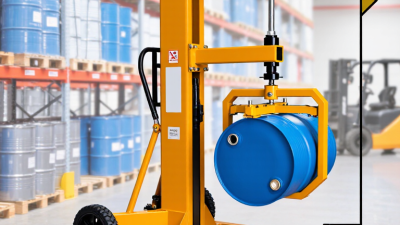
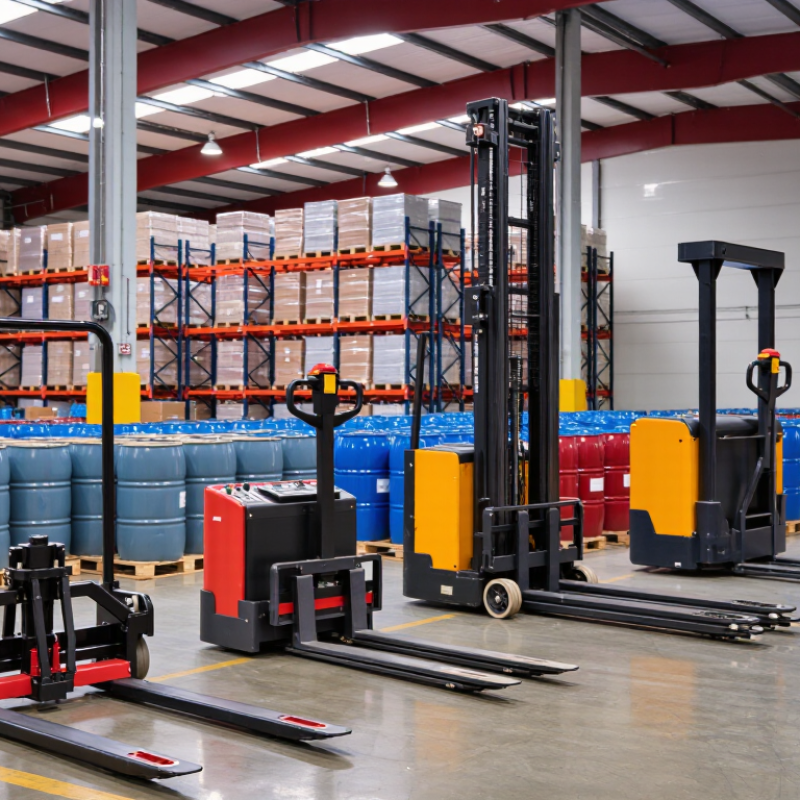
A drum lifter is an attachment or handling device that grips a drum so it can be raised, moved, tilted, or positioned. Depending on its design, it may connect to a forklift, hoist, or overhead lifting system. Some models clamp around the drum body; others engage the rim or support the drum in a cradle. The right choice depends on drum size, material, weight, and the task.
Control matters. A properly matched lifter keeps the load stable while it travels across a warehouse floor or rises onto a pallet. Before use, operators should check the rated capacity, locking parts, contact points, and drum condition. A dented rim or slippery surface can weaken the grip. Small details count. Follow the equipment instructions, and keep people clear of the suspended load.
A lifter that handles one drum type may not suit another. Steel and plastic drums can differ in shape and stiffness, even when their capacity labels appear similar. A clamp can look secure but still need a careful test lift close to the ground. That pause is easy to skip. It shouldn’t be. Regular inspections and practical operator training help reveal wear, poor fit, and handling habits that product specifications alone cannot predict.
Main Types of Drum Lifters and Their Operating Methods
Top 10 Drum Lifters for Sale for Global Buyers
Main Types of Drum Lifters and Their Operating Methods
Manual hydraulic drum lifters suit warehouses handling occasional loads. The operator positions the jaws around the drum, pumps the handle, and raises it gradually. Once lifted, the drum can be moved on its wheels or rotated, depending on the model. Check the fit. Confirm the lifter’s rated capacity and compatibility with the drum’s rim and material before use.
Mechanical clamp lifters use a gripping mechanism to hold a drum during lifting, often with a hoist or forklift. Operators should center the clamp, engage its locking parts, and test the grip just above the floor. Forklift drum attachments can lift one or more drums; secure the attachment to the forks and keep the load low while traveling. Stay level. Uneven floors and sudden turns can shift a load.
Electric drum lifters reduce manual effort and may include powered lifting, tilting, or both. They are useful when drums move frequently between storage and production areas. Before operation, inspect the controls, wheels, clamps, and battery condition. Lower the drum fully before releasing it, and keep people clear of the lifting path. I have seen selection decisions focus on lifting height alone; drum shape, floor conditions, and how often loads move matter just as much.
| No. | Drum Lifter Type | Typical Rated Capacity | Compatible Drums | Operating Method | Common Applications | Key Selection Consideration |
|---|---|---|---|---|---|---|
| 1 | Forklift Drum Grabber | Approximately 360–680 kg (800–1,500 lb), model dependent | Usually upright steel or plastic drums within the attachment’s specified diameter range | Mount the attachment on forklift forks. Position it over the drum; a mechanical or automatic clamp grips the drum as the truck moves forward and lifts. | Moving drums between storage locations, production areas, and loading zones | Check fork size, drum diameter, clamp style, load center, and the forklift’s remaining capacity with the attachment fitted. |
| 2 | Forklift Drum Rotator | Approximately 360–680 kg (800–1,500 lb), model dependent | Steel or plastic drums approved for the gripping mechanism | A forklift-mounted clamp secures the drum; a manual, hydraulic, or powered drive rotates it to pour or invert the contents. | Controlled emptying, blending, and transfer of drum contents | Confirm rotation angle, drive type, drum compatibility, and whether the drum must be poured at a controlled speed. |
| 3 | Hydraulic Drum Stacker | Commonly about 250–500 kg; verify the individual model rating | Typically one upright drum, with the approved rim or body-gripping attachment | An operator pumps a hydraulic handle or operates a hydraulic control to raise the drum; the unit is pushed and positioned manually. | Low- to medium-volume drum stacking and short-distance warehouse handling | Check maximum lift height, turning radius, floor condition, and whether the attachment suits the drum rim. |
| 4 | Electric Drum Stacker | Commonly about 250–500 kg; ratings vary by lift height and model | Upright drums compatible with the fitted clamp or cradle | A battery-powered lift raises and lowers the drum using operator controls; travel may be manual or electrically powered. | Frequent lifting, repetitive stacking, and material handling over longer shifts | Compare battery runtime, charging needs, lift height, aisle width, and rated capacity at the required elevation. |
| 5 | Manual Drum Truck | Commonly about 250–500 kg, depending on design | Usually a single upright drum; some models support specified drum sizes only | The operator rolls the truck to the drum, engages its rim or body clamp, tilts the truck back, and moves the load on wheels. | Short-distance transport on level floors and movement through narrow spaces | Check wheel material, floor condition, drum retention, and the operator effort required to tilt and steer the load. |
| 6 | Overhead Hoist Drum Lifter | Often around 250–500 kg; use the marked rating for the specific lifter | Drums with a compatible rim, chime, or approved lifting point | Attach the lifter to a rated hoist hook, engage the drum’s rim or gripping points, and raise it vertically using the hoist. | Moving drums over equipment, into elevated positions, or within a defined hoist area | Verify the hoist and lifting accessory ratings, secure engagement, lifting-point compatibility, and required inspection practices. |
| 7 | Drum Lifting Tongs or Rim Clamp | Varies widely; commonly selected for loads in the 200–500 kg range | Primarily drums with a sound, compatible rim or chime | Connect the tongs or clamp to a hoist. As tension is applied, the gripping jaws engage the designated drum feature. | Vertical lifting of individual drums where a hoist is available | Use only with the specified drum profile and lifting direction; do not lift damaged or unsuitable rims. |
| 8 | Plastic Drum Lifter | Often about 200–350 kg, depending on the clamp and drum design | Specified plastic drums, including compatible closed-head or open-head models | A purpose-designed clamp, cradle, or strap secures the drum before it is lifted by a forklift, hoist, or handling unit. | Handling plastic drums that may deform under an unsuitable point clamp | Check the drum’s construction, filled weight, wall strength, and approved gripping zone; plastic drum designs vary substantially. |
| 9 | Drum Tipper or Dispenser | Commonly about 250–500 kg, model dependent | Drums that fit the unit’s clamp, cradle, or rotation mechanism | Secure the drum in the frame, then use a hand crank, hydraulic system, or powered drive to tilt it for controlled dispensing. | Pouring liquids or bulk materials into process containers and hoppers | Consider the required tipping angle, discharge control, spill containment, and compatibility with the material being handled. |
| 10 | Drum Cradle or Rocker | Often about 200–350 kg; check the product’s rated load | Drums that fit the cradle’s diameter and support profile | Place and secure the drum in the cradle, then rock or tilt the assembly manually or with a mechanical aid to control dispensing. | Small-scale dispensing and positioning drums near workstations | Confirm stability, restraints, drum dimensions, and whether the cradle is intended for transport, dispensing, or both. |
Capacity figures are indicative ranges commonly found across equipment categories, not universal specifications. Actual capacity depends on the model, attachment, drum type, lift height, and operating conditions. Always follow the equipment nameplate, manufacturer instructions, and applicable local safety requirements.
Key Features to Compare When Choosing a Drum Lifter
A drum lifter must match the drum, the route, and the task—not just the advertised load capacity. Check rated capacity against the full drum weight and the lifter’s specific attachment. Confirm whether it handles steel, plastic, or fiber drums, and whether it grips the rim or supports the base. Fit matters. Measure drum diameter and height, then compare them with the lifter’s stated range.
Compare lift height, turning or tilting functions, and clearance beneath pallets or shelves. In a tight aisle, wheel size, turning radius, and brake access matter as much as maximum lift. BLS reported 2.6 million nonfatal workplace injury and illness cases in private industry for 2023, at a rate of 2.4 cases per 100 full-time equivalent workers. That figure covers many hazards, not drum handling alone, but it makes safe handling worth checking closely. The NIOSH Revised Lifting Equation uses a 51-pound load constant only under ideal manual-lifting conditions; reach, twisting, and repetition reduce the recommended weight. It is not a drum-lifter capacity rating.
Also compare control type, power source, emergency lowering, and inspection access. Ask for load-test documentation, operating instructions, and spare-part availability in your destination market. Test the lifter with a filled drum on the actual floor surface, if possible. A tidy specification sheet can still mislead. Note uneven floors, slippery handles, and awkward transfer points; these small details are easy to miss during a showroom demonstration.
Top 10 Drum Lifters for Sale for Global Buyers — Key Features to Compare When Choosing a Drum Lifter
Common nominal drum capacities vary from 5 to 55 US gallons. Liter values are converted using 1 US gallon = 3.78541 liters and rounded to the nearest liter. When choosing a drum lifter, check the drum’s actual dimensions, loaded weight, and required gripping method; capacity by volume alone does not determine the lifter’s load rating.
Top 10 Drum Lifters Available for Global Buyers
Global buyers comparing ten drum-lifter types should match each tool to the drum, load, route, and floor. The ILO’s 2023 report, A Call for Safer and Healthier Working Environments, estimates 2.93 million work-related deaths yearly. It also estimates 395 million non-fatal occupational injuries. These global figures are not drum-specific, but they make safe handling a serious purchasing criterion. Fit matters.
Options include manual drum trucks, hydraulic lifters, forklift-mounted handlers, and clamp-style lifters. Buyers also compare vertical grabbers, drum stackers, palletizers, tilters, electric lifters, and corrosion-resistant stainless-steel units. Each suits different work: a tilter helps control pouring, while a stacker raises drums onto shelving. Confirm drum diameter, weight, grip points, lift height, and whether the unit handles steel, plastic, or both.
Ask suppliers for rated-capacity details and operating instructions, then assess the equipment on the actual route. Uneven concrete, tight turns, and wet floors can change how safely a loaded lifter moves. Test it loaded. Export buyers should also check spare-part access, service support, and documentation for the destination market. A compact manual model may look economical, yet become tiring across long shifts; that trade-off is easy to underestimate.
International Purchasing, Safety Standards, and Shipping Considerations
When sourcing drum lifters internationally, the quoted price is only one part of the decision. Confirm drum material, diameter, rim design, and maximum gross weight. Also check whether the lifter moves drums upright, horizontally, or both. A capacity figure alone can mislead if the drum’s contents raise the total weight. Details matter.
Safety requirements differ by destination and worksite. Request relevant conformity documents, rated-load information, operating instructions, and inspection guidance before placing an order. Compare these with local workplace rules and your own risk assessment; one certificate may not cover every use. Do not assume. Ask for clear photos of the nameplate, lifting points, and locking mechanism. These details are easy to miss in a catalog.
Shipping can change the real cost. Confirm packed dimensions, gross shipping weight, crate protection, and whether the equipment ships assembled. For sea freight, ask how exposed metal parts are protected from moisture and whether spare pins or seals travel separately. Check import paperwork and delivery terms with your freight forwarder before dispatch. A small mismatch can delay unloading. Published lead times and freight estimates can shift, so allow some room in your purchasing plan.
Related Posts
-
China Top Drum Lifter Manufacturers for Global Buyers
-
10 Drum Handling Tips for Safe Operations
-
2026 Best Drum Tilters for Efficient Material Handling Solutions?
-
7 Tips for Choosing a Drum Lifter and Tilter?
-
What Is the Best Drum Lifter for Global Buyers in 2026?
-
What Are the Top 10 Drum Lifting Equipment Options?