What Are the Best Material Handling Products in China?
Choosing the best material handling products in China starts with the job, not the catalog. A warehouse moving boxed goods needs different equipment from a factory handling steel components. Forklifts, pallet trucks, conveyors, hoists, and storage systems all serve distinct tasks. The right choice depends on load weight, travel distance, aisle width, floor condition, and daily operating hours.
Small details matter. A pallet truck that fits a narrow aisle may still struggle on a rough floor. A forklift’s rated capacity can also change with lift height and attachments. Buyers should compare specifications, request clear operating limits, and check whether spare parts and service support are available near the installation site. Ask suppliers for relevant test records and references, then confirm that the proposed model matches the actual workflow. A polished brochure is not enough.
There is no universal winner. A low purchase price may bring higher maintenance costs, while advanced automation may not suit a small operation. Even a careful checklist can miss real working conditions. That deserves a second look. This guide compares product types and practical selection factors to help readers assess Chinese suppliers with clearer expectations. It focuses on fit, durability, safety features, and support—not broad claims about every manufacturer. The most suitable option is the one that performs reliably in your facility, under your loads, shifts, and constraints.
What Material Handling Products Include
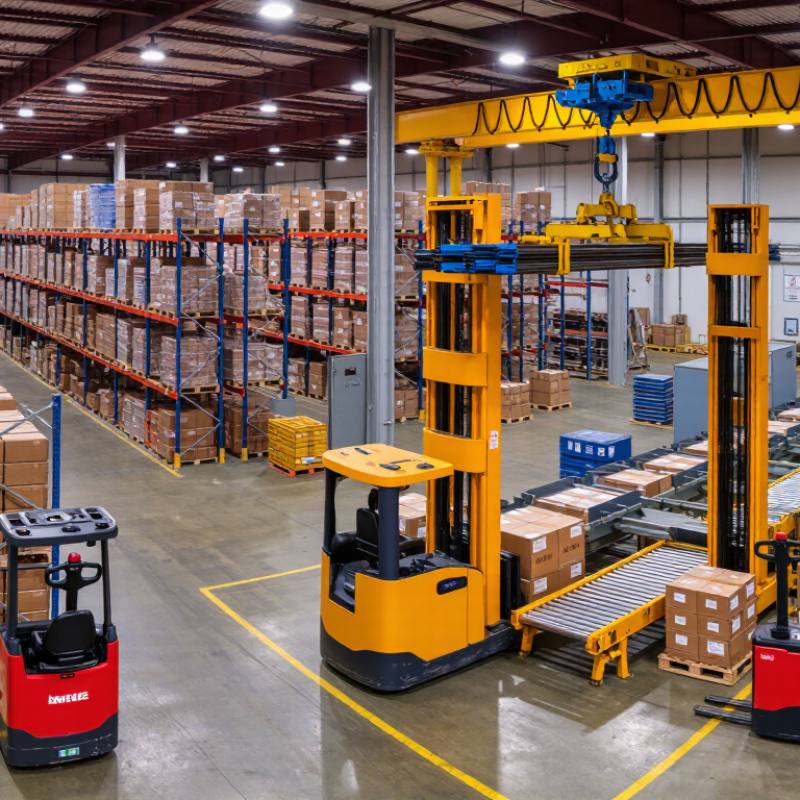
Material handling products include equipment that lifts, moves, stores, protects, and tracks goods. Manual options include pallet trucks, hand carts, and stackers. Some are simple. Powered forklifts and reach trucks handle heavier loads, while conveyors move cartons along fixed routes. Racking, shelving, and mezzanines use vertical space; dock levelers and lift tables help bridge height differences during loading and picking.
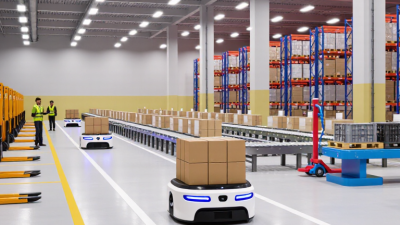
Automated systems add another layer. Automated guided vehicles and autonomous mobile robots transport pallets or totes; sorters direct parcels to different lanes. Automated storage and retrieval systems combine racks, machines, and control software.
The International Federation of Robotics reported 276,288 industrial robot installations in China in 2023, about 51% of global installations (World Robotics 2024). This figure covers industrial robots, not material handling equipment alone, but it signals the scale of China’s automation environment.
Choosing between these products depends on load weight, travel distance, aisle width, floor condition, and how often goods move. A catalog can make selection look easy. Real sites are less tidy: a narrow aisle or uneven floor can change what works. Buyers should also check maintenance access, operator training, and compatibility with existing storage and software.
Main Types of Material Handling Products Available in China
Material handling products in China range from basic pallet trucks to automated warehouse systems. Manual and electric pallet trucks move loads across short distances, such as between a receiving dock and a storage aisle. Forklifts handle heavier pallets, while reach trucks suit narrower warehouse lanes. Capacity, turning radius, floor condition, and lift height matter more than appearance.
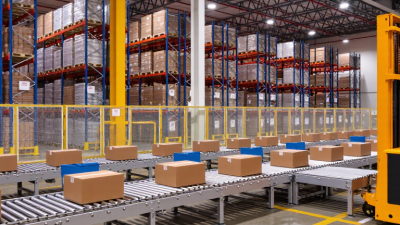
Conveyors move cartons or totes along fixed routes. Roller models work well for firm-bottomed boxes; belt conveyors can support smaller items. For vertical movement, companies use hoists and goods lifts, with rated capacity and travel distance guiding selection. Storage equipment includes selective pallet racks, shelving, and cantilever racks for long materials. Anchoring and load labels deserve attention. Small details matter.
Some facilities also use automated guided vehicles or mobile robots to carry goods between work areas. They can reduce repeated manual trips, but aisle layout and traffic rules need careful planning. Not always. A system that works in a new warehouse may struggle on uneven floors or in changing workflows. Buyers should compare technical specifications, request maintenance guidance, and check whether local service teams can supply parts. I would not choose by price alone; a cheaper unit can create delays if its battery, wheels, or controls do not match daily use.
How Material Handling Products Are Evaluated
Evaluating material handling products starts with the task, not the catalogue. Buyers comparing products made in China should define the load, travel distance, floor surface, and daily operating hours. A cart rated for 500 kilograms may still feel unstable on a sloped floor. Check the handle height, turning radius, platform dimensions, and wheel material against the actual route. Then inspect welds, fasteners, edges, and moving parts. Small details matter.
A product should be assessed under realistic conditions. Place a representative load on it, move it over floor joints, and check whether it rolls, steers, and stops predictably. That matters. Ask for clear load ratings, material specifications, inspection records, and maintenance guidance. A load test can reveal flex or noise, but one test cannot predict years of wear. Not always.
Evaluation also includes the people using the equipment. Watch an operator push, turn, and unload it; note awkward reaches or repeated strain. Compare the product’s cleaning and repair needs with the site’s routine. No checklist catches every mismatch, and a short trial may overlook seasonal changes or uneven floors. Keep notes on test conditions and concerns, even when the result seems obvious. Those records make comparisons more reliable.
What Are the Best Material Handling Products in China? - How Material Handling Products Are Evaluated
The comparison below uses a general-purpose evaluation framework. Ratings are indicative, not audited market results; actual suitability depends on the product configuration, site conditions, workload, and supplier support.
| Product type |
Throughput
(25%) |
Adaptability
(20%) |
Safety potential
(20%) |
Cost efficiency
(20%) |
Ease of deployment
(15%) |
Weighted score
(100) |
Typical fit and evaluation checks |
| Electric pallet truck |
4/5 |
4/5 |
4/5 |
4/5 |
5/5 |
83 |
Short-distance pallet movement. Check rated load, travel distance, ramp limits, battery runtime, and turning space. |
| Manual or electric stacker |
3/5 |
4/5 |
4/5 |
5/5 |
5/5 |
82 |
Light-to-medium lifting and stacking in smaller facilities. Check lift height, load center, aisle width, and floor condition. |
| Counterbalance forklift |
5/5 |
3/5 |
3/5 |
4/5 |
4/5 |
77 |
Versatile loading, unloading, and pallet handling. Match rated capacity to load center; assess fuel or charging needs and operator training. |
| Selective pallet racking |
4/5 |
3/5 |
4/5 |
5/5 |
3/5 |
77 |
Direct access to stored pallets. Verify beam and upright capacities, anchoring, aisle layout, floor loading, and inspection requirements. |
| Reach truck |
4/5 |
3/5 |
4/5 |
4/5 |
3/5 |
73 |
High-bay pallet storage with narrower aisles. Check lift height, residual capacity at height, aisle dimensions, and floor flatness. |
| Conveyor system |
5/5 |
2/5 |
4/5 |
4/5 |
2/5 |
71 |
Stable, repetitive flows between fixed points. Assess item dimensions, peak rate, accumulation needs, guarding, and integration with existing lines. |
| Automated guided vehicle or autonomous mobile robot |
4/5 |
5/5 |
4/5 |
2/5 |
2/5 |
70 |
Repeated transport routes where automation is valuable. Check fleet capacity, navigation conditions, traffic controls, system integration, and support capability. |
| Electric hoist |
3/5 |
3/5 |
4/5 |
4/5 |
3/5 |
68 |
Vertical lifting at workstations or within a suitable lifting structure. Verify rated load, duty class, lift height, installation, and inspection needs. |
Scoring method: Each criterion is rated from 1 (lower) to 5 (higher), then multiplied by its stated weight and converted to a score out of 100. Higher scores indicate a stronger general-purpose fit, not a guarantee of suitability. Confirm specifications, applicable safety requirements, maintenance arrangements, spare-parts availability, and total cost of ownership before purchasing.
Industries and Applications for These Products
Material handling equipment serves different jobs across China’s manufacturing, logistics, and processing sectors. In appliance plants, powered conveyors move cartons between packing stations, while pallet trucks handle short transfers across smooth floors. Small warehouses often use manual stackers to place loads on low racks. They are simple to maintain, but can slow down when aisles become crowded. On a busy shift, even a short bottleneck matters.
Food processing sites need surfaces that withstand frequent cleaning. Stainless-steel carts can carry ingredients between preparation rooms, while lift tables reduce repeated bending at packing lines. Cold-storage operators may need low-temperature-rated wheels and batteries. Ordinary components can lose capacity in chilled rooms. Details matter.
Construction-material depots use forklifts and heavy-duty pallet trucks to move bagged cement, tile, and other dense loads. In e-commerce warehouses, roller conveyors and order-picking carts help workers move small parcels between storage and dispatch areas. Each application has different demands. Buyers should check load weight, aisle width, floor condition, and daily operating hours before choosing equipment. A tidy spreadsheet cannot capture every site problem; a sloped floor or awkward doorway may change the decision. That deserves a second look.
How to Choose the Best Products for Your Operation
Choosing material handling products in China starts with the work, not the catalogue. Record your heaviest pallet, daily moves, aisle width, floor condition, and lift height. A hand pallet truck may suit short, level runs; a powered unit can reduce effort across longer routes. Measure the tightest turn, too. Fit matters more.
MHI and Deloitte’s 2023 Annual Industry Report found that 87% of surveyed supply chain leaders planned to invest in supply chain innovation over the following two years. That figure supports planning for future needs, but it does not mean every operation needs automation. Match equipment to actual throughput, available power, operator training, and maintenance capacity. Ask for rated-load details, spare-parts availability, and service response times. Inspect welds, controls, wheels, and braking on a sample unit where possible. A smooth showroom floor can hide problems. Test on yours.
Compare total operating cost, not just purchase price: energy, repairs, downtime, and replacement parts add up. Check that product dimensions and specifications are documented clearly, and confirm that the equipment suits your site’s safety procedures. A small trial may reveal an awkward handle or poor turning radius before a full order. No checklist catches everything; real shifts often expose what the spreadsheet missed.
What Are the Best Material Handling Products in China?
Compare common equipment by typical rated load capacity to help match a product to your operation.
Capacities shown are typical market ranges, not universal specifications. Actual capacity depends on the model, load center, lift height, and configuration; check the equipment’s rated-capacity plate before selecting.